
Introduction
As we navigate the rapidly evolving landscape of digital existence, the concept of identity is undergoing a profound transformation. The rise of the Metaverse—a collective virtual shared space—has introduced a new dimension to how we perceive ourselves and others. At the forefront of this shift is the phenomenon of NFT (Non-Fungible Token) avatars, which are reshaping our understanding of identity, ownership, and ethics in digital realms.
The Rise of the Metaverse
The Metaverse, often described as the next iteration of the internet, is a 3D virtual space where users can interact, socialize, and conduct business. It combines augmented reality (AR), Virtual reality (VR), and blockchain technology, creating immersive experiences that transcend physical boundaries. Within this vast digital landscape, users are represented by avatars—digital personas that reflect their identities, preferences, and personal styles.
What are NFT Avatars?
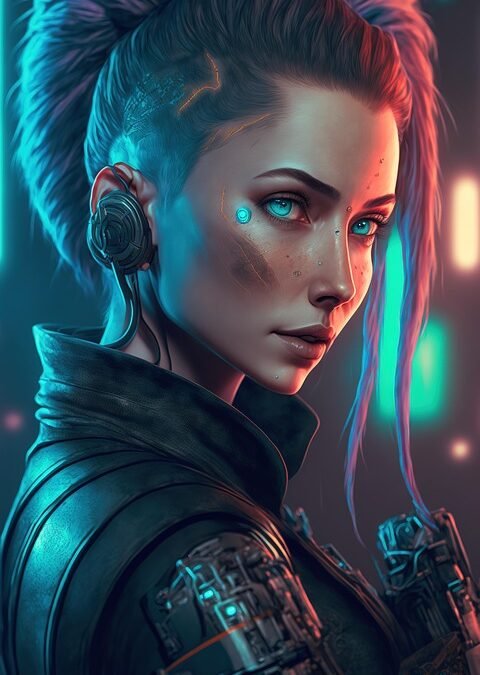
NFT avatars are unique digital representations of individuals, verified using blockchain technology. Unlike traditional avatars, which can be easily copied or modified, NFT avatars are one-of-a-kind assets with ownership recorded on the blockchain. This uniqueness has led to a surge in demand, with individuals investing significant amounts of money to own exclusive digital identities.
The Allure of NFT Avatars
The appeal of NFT avatars lies in their ability to confer status, individuality, and a sense of belonging within the Metaverse. They offer users the opportunity to express their creativity and personal identity in ways that were previously unimaginable. Collectors and creators are drawn to the idea of owning a piece of digital art that is not just visually striking but also carries a narrative, a history, and a community.
Personal Expression and Identity
In an era where personal branding is paramount, NFT avatars serve as a canvas for self-expression. Users can curate their digital personas to reflect their unique identities, interests, and affiliations. The customization options are vast, allowing for the blending of cultural references, artistic styles, and personal narratives. This opens up an avenue for individuals to explore aspects of their identity that may be suppressed or marginalized in the physical world.
Community and Belonging
Owning an NFT avatar often comes with a sense of community. Many NFT projects are designed around specific themes, art styles, or cultural movements, fostering a sense of belonging among collectors. These communities can provide social support, networking opportunities, and even access to exclusive events or experiences. As such, NFT avatars become more than just digital representations; they embody the social connections and shared experiences of their owners.
The Ethical Dilemmas of NFT Avatars
While the allure of NFT avatars is undeniable, their rise raises significant ethical questions. The intersection of virtual identity and ownership in the Metaverse poses challenges that society must grapple with, including issues of representation, commodification, and privacy.
Representation and Diversity
The digital landscape has a long history of underrepresentation, particularly for marginalized communities. As NFT avatars gain popularity, it is crucial to examine who is creating and benefiting from these digital identities. The majority of NFT projects are often spearheaded by a homogeneous group, which can lead to a lack of diversity in the types of avatars available. This not only perpetuates stereotypes but also reinforces existing power dynamics within the digital space.
Commodification of Identity
The commodification of digital identities raises questions about authenticity and the value of self-expression. When personal avatars become tradable assets, there is a risk that individuals may begin to view their identities as mere commodities. This shift can undermine the intrinsic value of self-expression and lead to an environment where individuals feel pressured to conform to market trends rather than embracing their unique identities.
Privacy Concerns
As users engage with NFT avatars, concerns about privacy and data security come to the forefront. The blockchain technology that underpins NFTs is transparent, meaning that ownership and transaction histories are public. While this can enhance trust in ownership, it also raises questions about how much of one’s identity is exposed in the digital realm. Users must navigate the fine line between sharing their digital personas and protecting their personal information.
Balancing Ownership and Community
The challenge of balancing ownership and community in the NFT avatar space is a complex one. While ownership provides individuals with control over their digital identities, it can also create a barrier to access for those who cannot afford high-priced NFTs. This exclusivity can lead to fragmentation within communities, where only a select few can fully participate in the cultural discourse surrounding NFTs.
The Role of Creators
Creators of NFT avatars have a responsibility to consider the ethical implications of their work. By promoting diversity and inclusivity in their projects, they can help mitigate the risks of underrepresentation and commodification. Additionally, creators should strive to build communities that prioritize collaboration and support rather than competition and exclusivity.
Community-Driven Solutions
Community-driven initiatives can play a vital role in addressing the ethical dilemmas surrounding NFT avatars. By fostering open dialogue and collaboration, communities can work together to create inclusive spaces that celebrate diversity and promote authenticity. These initiatives can range from mentorship programs for underrepresented creators to collaborative projects that amplify marginalized voices.
The Future of NFT Avatars in the Metaverse
As the Metaverse continues to evolve, so too will the role of NFT avatars. The future holds exciting possibilities for how individuals can express themselves and connect with others in digital spaces. However, it is imperative that we remain vigilant about the ethical implications of these developments.
Technological Advancements
With advancements in technology, NFT avatars may become even more sophisticated, incorporating artificial intelligence (AI) and machine learning to create dynamic, responsive digital identities. This could enhance the personalization of avatars, allowing them to evolve based on user interactions and preferences. However, such advancements must be approached with caution to ensure that they do not exacerbate existing ethical dilemmas.
Regulatory Considerations
As the NFT market matures, regulatory frameworks will likely emerge to address the challenges posed by digital ownership and community dynamics. Policymakers will need to consider how to balance innovation with consumer protection and ethical standards. This includes addressing issues such as copyright, trademarking, and the treatment of digital identities as intellectual property.
Conclusion
The rise of NFT avatars in the Metaverse presents a unique opportunity to explore the complexities of identity, ownership, and ethics in a digital age. While these avatars offer new avenues for self-expression and community-building, they also raise critical questions about representation, commodification, and privacy.
As we venture into this new frontier, it is essential to approach the ethical dilemmas with a commitment to inclusivity and authenticity. By fostering diverse communities and prioritizing ethical practices, we can create a Metaverse that celebrates individuality while ensuring that all voices are heard and valued.
FAQs
What is an NFT avatar?
An NFT avatar is a unique digital representation of an individual that is verified and owned through blockchain technology. Unlike traditional avatars, NFT avatars cannot be duplicated, making them one-of-a-kind assets.
How do NFT avatars impact personal identity?
NFT avatars allow individuals to express their identities creatively and uniquely. They can represent personal interests, affiliations, and cultural themes, enabling users to explore aspects of their identity that may not be visible in the physical world.
What are the ethical concerns surrounding NFT avatars?
Ethical concerns include issues of representation and diversity, the commodification of identity, and privacy risks. The lack of diversity in avatar creation can perpetuate stereotypes, while commodification can undermine the value of self-expression.
How can communities address the challenges of NFT avatars?
Communities can address challenges by promoting inclusivity and collaboration. Initiatives such as mentorship programs for underrepresented creators and community-driven projects can help foster a more equitable digital space.
What does the future hold for NFT avatars?
The future of NFT avatars may include technological advancements that enhance personalization and user experience. However, it will also require regulatory considerations to ensure ethical practices and protect users in the evolving Metaverse.