Introduction
The world of digital assets is evolving at a remarkable pace, with Non-Fungible Tokens (NFTs) leading the charge. Originally celebrated for their ability to authenticate ownership of digital art and collectibles, NFTs have now expanded into various sectors, including gaming, music, and Virtual reality. Among these advancements, 3D NFTs are emerging as a transformative force, unlocking a new realm of possibilities that could redefine how we perceive and interact with digital assets. In this article, we will explore the potential of 3D NFTs, their applications, and the implications for the future of digital ownership.
The Basics of NFTs
Before diving into the realm of 3D NFTs, it’s essential to understand what NFTs are. Non-Fungible Tokens are unique digital assets verified using blockchain technology. Unlike cryptocurrencies like Bitcoin or Ethereum, which are fungible and can be exchanged on a one-to-one basis, NFTs each have distinct properties that make them irreplaceable. This uniqueness is what gives NFTs their value, allowing creators to monetize their digital work in unprecedented ways.
What are 3D NFTs?
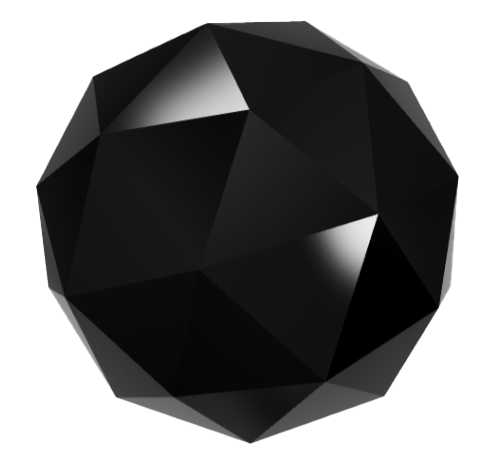
3D NFTs take the concept of traditional NFTs a step further by incorporating three-dimensional elements into the digital assets. These assets can be viewed, manipulated, and interacted with in a 3D environment, adding depth and realism that flat images or animations cannot achieve. With the rise of virtual and augmented reality technologies, 3D NFTs can be experienced in immersive ways, providing an engaging platform for creators and collectors alike.
The Appeal of 3D NFTs
The allure of 3D NFTs lies in their interactivity and visual richness. Here are several reasons why 3D NFTs are gaining traction:
1. Enhanced User Experience
3D NFTs offer a more engaging user experience compared to traditional 2D NFTs. Users can rotate, zoom, and interact with these digital assets, leading to a deeper connection with the content. This interactivity can create memorable experiences that go beyond mere ownership, allowing users to explore the work in a more meaningful way.
2. Expanding Creative Possibilities
Artists and creators can leverage 3D technology to push the boundaries of their work. With the ability to create dynamic, immersive environments, artists can tell stories or convey emotions that would be challenging to achieve with static images. This opens up new avenues for creativity, allowing for innovative collaborations between artists, developers, and technologists.
3. Integration with Virtual Worlds
As virtual worlds and metaverses gain popularity, 3D NFTs become increasingly relevant. These digital assets can be integrated into various virtual environments, enabling users to showcase their collections in virtual galleries, use them in gaming scenarios, or even wear them as digital fashion items. The possibilities for interaction within these spaces are limitless, providing a new dimension to digital ownership.
4. Interoperability
3D NFTs have the potential to be interoperable across different platforms and ecosystems. This means that a 3D asset created in one virtual world could be used in another, allowing for seamless experiences and interactions across diverse environments. This interoperability can enhance the value of 3D NFTs, as users can move their assets freely and utilize them in multiple contexts.
Applications of 3D NFTs
The potential applications of 3D NFTs are vast and varied. Here are some notable areas where 3D NFTs are making their mark:
1. Gaming
The gaming industry is one of the most promising sectors for 3D NFTs. game developers can create unique in-game assets, such as characters, weapons, or skins, in a 3D format. Players can buy, trade, or sell these assets as NFTs, giving them true ownership and value. Gamers can also showcase their collections in virtual spaces, enhancing the social aspect of gaming.
2. Virtual Real Estate
As virtual worlds continue to expand, the concept of virtual real estate is becoming increasingly popular. 3D NFTs can represent ownership of virtual land or properties, allowing users to buy, sell, or develop these digital spaces. This has implications for architecture and design, as creators can develop entire virtual neighborhoods or experiences using 3D NFTs.
3. Art and Collectibles
Artists can create stunning 3D artworks that can be sold as NFTs, providing collectors with a unique and interactive experience. This evolution of art allows for dynamic installations that can change over time or respond to user interactions. Collectors can own a piece of art that is not only visually impressive but also offers a level of engagement that traditional art cannot provide.
4. Fashion and Wearables
The fashion industry is also beginning to embrace 3D NFTs. Designers can create virtual clothing and accessories that can be worn within virtual environments or even in augmented reality. These digital fashion items can be sold as NFTs, allowing consumers to own unique pieces that can be showcased in their virtual personas.
5. Education and Training
3D NFTs can also play a significant role in education and training. For example, interactive 3D models can be used for educational purposes, allowing students to explore complex concepts in a hands-on manner. Medical students can use 3D anatomical models, while engineering students can interact with virtual machinery, enhancing their learning experience.
The Technical Side of 3D NFTs
Creating and trading 3D NFTs involves several technical considerations. Here’s a brief overview of the process:
1. Creation
To create a 3D NFT, artists and developers use 3D modeling software to design the asset. This can include anything from character models to architectural designs. Once the asset is complete, it is exported in a format compatible with blockchain technology, such as GLB or FBX.
2. Minting
Minting is the process of creating the NFT on a blockchain. This involves uploading the 3D asset to a blockchain platform that supports NFTs, such as Ethereum or Polygon. During this process, the NFT is assigned a unique token ID, and metadata is created to describe the asset, including details like ownership history and provenance.
3. Trading
Once minted, 3D NFTs can be listed on various marketplaces for trading. Users can buy, sell, and auction these digital assets in exchange for cryptocurrencies. The transparency of blockchain technology ensures that ownership and transaction history are securely recorded.
4. Display and Interaction
Viewing and interacting with 3D NFTs can be done through various platforms and applications. Many NFT marketplaces offer integrated viewers that allow users to rotate and manipulate 3D models. Additionally, virtual reality environments enable users to experience 3D NFTs in immersive settings.
Challenges and Considerations
While the potential of 3D NFTs is immense, there are also several challenges and considerations to keep in mind:
1. Technical Barriers
Creating and trading 3D NFTs requires technical knowledge and resources. Artists and creators may need to invest in equipment, software, and training to produce high-quality 3D assets. Additionally, users must have the necessary hardware to experience 3D NFTs, such as VR headsets or capable computing devices.
2. Environmental Concerns
The environmental impact of blockchain technology, particularly proof-of-work systems, has raised concerns about energy consumption. As the demand for 3D NFTs grows, it’s important for the industry to explore more sustainable blockchain solutions, such as proof-of-stake systems, to mitigate this impact.
3. Market Saturation
As the NFT market becomes increasingly crowded, distinguishing unique 3D NFTs from the vast array of digital assets can be challenging. Creators need to find innovative ways to market their work and engage with collectors to stand out in a competitive landscape.
The Future of 3D NFTs
The future of 3D NFTs is bright, with endless possibilities for innovation and creativity. As technology continues to evolve, we can expect to see advancements in 3D modeling, rendering, and blockchain integration. Here are some potential trends that may shape the future of 3D NFTs:
1. Enhanced Interactivity
Future 3D NFTs may incorporate advanced interactivity features, such as real-time user interactions, AI-driven elements, or gamification. This could lead to more engaging experiences, where users can influence the artwork or environment based on their actions.
2. Integration with Augmented Reality
With the growth of augmented reality (AR) technologies, 3D NFTs could be seamlessly integrated into the real world. Users may be able to project their 3D assets into their physical environment, allowing for hybrid experiences that blend digital and physical realities.
3. Collaborative Creations
3D NFT platforms may encourage collaborative efforts among artists and creators, enabling them to work together on joint projects. This could lead to the emergence of unique, multi-creator NFTs that showcase diverse artistic styles and ideas.
4. Standardization and Regulation
As the NFT market matures, we may see the development of standards and regulations governing the creation, trading, and ownership of 3D NFTs. This could help protect creators and consumers, fostering a more sustainable and trustworthy environment.
Conclusion
3D NFTs represent an exciting frontier in the world of digital assets, offering new opportunities for creativity, interactivity, and ownership. As artists, developers, and users embrace this technology, we can expect to see innovative applications that reshape how we engage with digital content. While challenges remain, the potential of 3D NFTs is undeniable, paving the way for a vibrant and dynamic future in the digital landscape.
FAQs
1. What are the main differences between 2D and 3D NFTs?
2D NFTs are typically static images or animations, while 3D NFTs offer interactive, three-dimensional elements that can be manipulated and experienced in a more immersive way.
2. Can I create a 3D NFT without technical skills?
While creating high-quality 3D NFTs usually requires some technical knowledge and access to 3D modeling software, there are platforms and tools emerging that simplify the process for non-technical users.
3. How can I buy and sell 3D NFTs?
3D NFTs can be bought and sold on various NFT marketplaces that support 3D assets. Users can connect their digital wallets to these platforms and trade NFTs using cryptocurrencies.
4. Are there any environmental concerns with 3D NFTs?
Yes, the environmental impact of blockchain technology, particularly proof-of-work systems, is a concern. Many in the industry are exploring more sustainable blockchain solutions to address these issues.
5. What are some popular platforms for creating and trading 3D NFTs?
Popular platforms for creating and trading 3D NFTs include Opensea, Rarible, and Decentraland, among others. These platforms offer tools for minting and displaying 3D assets.