The Power of Algorithms: How Generative 3D NFTs Are Redefining Artistic Expression
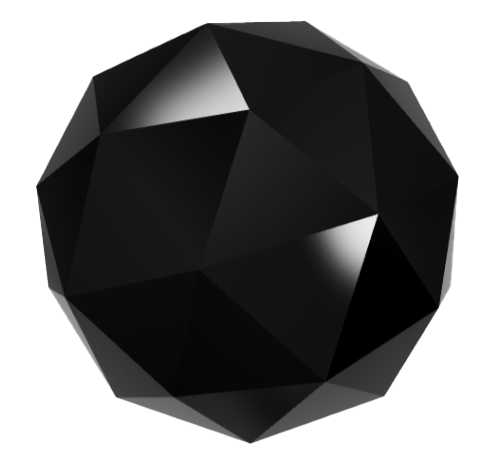
In the ever-evolving landscape of art and technology, one phenomenon has emerged as a transformative force: generative 3D NFTs (non-fungible tokens). These digital assets, created through the power of algorithms, are not just reshaping the way we perceive and interact with art; they are redefining the very essence of artistic expression. This article delves into the captivating world of generative 3D NFTs, exploring their origins, their impact on the art world, and the profound questions they raise about creativity, ownership, and the future of artistic endeavors.
The Birth of Generative Art
Generative art has its roots in the 1960s, when artists like Frieder Nake and Harold Cohen began to explore the intersection of art and computer programming. These pioneers utilized algorithms to create artworks that could evolve and change over time, laying the groundwork for what would eventually become a burgeoning field. With the advent of more sophisticated technology, including advanced graphics software and machine learning, generative art has taken on new dimensions, leading to the rise of 3D NFTs.
Understanding NFTs
Before diving deeper into the realm of generative 3D NFTs, it’s essential to understand what NFTs are. Non-fungible tokens are unique digital assets that represent ownership of a specific item or piece of content, secured on a blockchain. Unlike cryptocurrencies such as Bitcoin, which are fungible and can be exchanged for one another, NFTs are one-of-a-kind and cannot be replicated. This uniqueness has made them a popular medium for artists, allowing them to tokenize their work and sell it in a decentralized marketplace.
The Intersection of Technology and Creativity
Generative 3D NFTs represent a remarkable intersection between technology and creativity. By utilizing algorithms, artists can create complex, intricate designs that would be nearly impossible to achieve through traditional methods. These algorithms can be programmed to respond to various inputs, such as random number generators or user interactions, resulting in a virtually infinite array of potential outputs. This not only enhances the creative possibilities for artists but also allows for a level of interactivity that traditional art forms cannot provide.
Examples of Generative 3D NFTs
Several artists and projects have gained recognition for their work in the realm of generative 3D NFTs. One notable example is the “Art Blocks” platform, which allows artists to create programmable artworks that are generated on the Ethereum blockchain. Each piece is unique, with its own distinct characteristics based on the underlying algorithm.
Another prominent example is the “CryptoPunks” project, which consists of 10,000 uniquely generated 24×24 pixel art characters. While these are not 3D, they exemplify the concept of generative art within the NFT space, showcasing the potential for algorithmically generated assets to capture the imagination of collectors and investors alike.
The Role of Algorithms in Artistic Expression
The use of algorithms in art raises fascinating questions about authorship and creativity. Traditionally, art has been seen as a deeply human endeavor, an expression of individual emotion and experience. However, with generative art, the artist often becomes a facilitator, designing the algorithm that generates the artwork rather than directly creating each piece. This shift challenges our understanding of what it means to be an artist and prompts us to reconsider the role of technology in the creative process.
Moreover, generative algorithms can introduce an element of randomness and unpredictability into the artistic process. Artists can set parameters and let the algorithm take over, resulting in creations that surprise even the creator. This opens up new pathways for exploration and experimentation, allowing artists to push the boundaries of their own creativity.
The Economic Impact of Generative 3D NFTs
The rise of generative 3D NFTs has not only transformed artistic expression but also created new economic opportunities for artists. By minting their work as NFTs, artists can reach a global audience, bypassing traditional gatekeepers such as galleries and auction houses. This democratization of the art market empowers artists to retain greater control over their work and its distribution.
Furthermore, the scarcity and uniqueness of NFTs can drive up their value in the marketplace. Collectors are drawn to the idea of owning a one-of-a-kind piece of digital art, leading to significant sales and auctions that have made headlines around the world. This has resulted in a new wave of investment in digital art, with collectors willing to pay substantial sums for generative 3D NFTs.
Challenges and Criticisms
Despite the excitement surrounding generative 3D NFTs, there are challenges and criticisms that must be addressed. One major concern is the environmental impact of blockchain technology, particularly proof-of-work systems that require vast amounts of energy. As the demand for NFTs continues to grow, so too does the scrutiny surrounding their ecological footprint.
Additionally, as the market for generative 3D NFTs becomes more saturated, questions arise about the value and authenticity of digital art. With countless artists and projects entering the space, how do collectors discern which pieces are truly valuable? The risk of over-saturation could lead to a decline in interest and investment in the long term.
The Future of Generative 3D NFTs
Looking ahead, the future of generative 3D NFTs seems bright yet uncertain. As technology continues to advance, artists will likely find new ways to harness the power of algorithms to create even more complex and engaging works. The rise of artificial intelligence in the creative process may further blur the lines between human and machine-generated art, leading to exciting new possibilities.
Moreover, as society grapples with the implications of ownership and authenticity in the digital age, generative 3D NFTs will play a crucial role in shaping the conversation. The ongoing dialogue about the value of art in a digital landscape will likely lead to new frameworks for understanding and appreciating creative expression.
Conclusion
Generative 3D NFTs are not merely a technological novelty; they represent a paradigm shift in artistic expression. By leveraging the power of algorithms, artists are redefining what it means to create, own, and experience art in the digital age. As this exciting movement continues to unfold, it invites us to explore the intersection of creativity and technology, challenging us to reconsider the very nature of artistic expression and its place in our rapidly changing world.
FAQs
What are generative 3D NFTs?
Generative 3D NFTs are unique digital assets created through algorithms that generate three-dimensional art. Each piece is stored on a blockchain, ensuring its uniqueness and ownership.
How do generative 3D NFTs differ from traditional art?
Unlike traditional art, which is often created by hand, generative 3D NFTs are produced using algorithms, allowing for complex, interactive designs that can evolve over time.
What impact do generative 3D NFTs have on artists?
Generative 3D NFTs empower artists by providing new avenues for creativity, allowing them to reach a global audience and retain more control over their work and its value.
Are there any criticisms of generative 3D NFTs?
Yes, some criticisms include concerns about the environmental impact of blockchain technology and the potential for market saturation, which could affect the value of digital art.
What does the future hold for generative 3D NFTs?
The future of generative 3D NFTs is likely to be shaped by advancements in technology, ongoing discussions about ownership and authenticity, and the evolving relationship between art and technology.