The Next Level of Gaming: How 3D NFTs are Changing the game
The gaming industry is evolving at an unprecedented pace, and one of the most intriguing developments is the rise of 3D NFTs (non-fungible tokens). As gamers seek more immersive and engaging experiences, the integration of 3D NFTs is revolutionizing the way we interact with digital assets and environments. In this article, we will explore how 3D NFTs are not only enhancing gameplay but also shaping the future of the gaming industry.
Understanding NFTs and Their Significance in Gaming
Before diving into the specifics of 3D NFTs, it’s essential to understand what NFTs are and why they matter in the gaming realm. NFTs are unique digital assets verified on a blockchain, making them scarce and ownership traceable. In the context of gaming, NFTs can represent in-game items, characters, skins, or even entire virtual worlds. This unique ownership model allows players to buy, sell, and trade their digital assets in a way that wasn’t possible before.
The significance of NFTs in gaming lies in their potential to create real value for players. Unlike traditional games where items can be easily replicated or lost, NFTs provide a sense of ownership and investment. Players can truly own their items, and this ownership can translate into real-world value. As the gaming landscape continues to evolve, the incorporation of 3D NFTs is set to take this experience to the next level.
The Rise of 3D NFTs
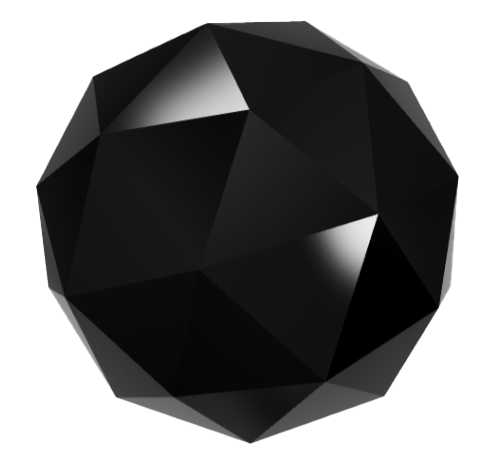
3D NFTs represent the next frontier in digital ownership, allowing creators to develop intricate and detailed assets that can be used in various gaming environments. Unlike traditional 2D NFTs, 3D NFTs are rendered in three dimensions, providing players with a more immersive experience. Imagine owning a unique character with customizable features, weapons, and skins that can be used across multiple games. This level of detail not only enhances gameplay but also allows for greater creativity and personalization.
The technology enabling 3D NFTs is advancing rapidly. Platforms like Unity and Unreal Engine are now incorporating blockchain technology, allowing developers to create rich, interactive worlds with 3D NFTs at their core. This development opens the door for a new generation of games where players can interact with their assets in real-time, enhancing their sense of agency and investment in the game.
The Benefits of 3D NFTs in Gaming
1. Enhanced Ownership and Scarcity
One of the significant benefits of 3D NFTs is the enhanced sense of ownership they provide. Players can buy, sell, or trade their digital assets freely, creating a vibrant marketplace. The scarcity of NFTs means that certain items can become highly sought after, much like rare collectibles in the physical world. This unique ownership model fosters a deeper connection between players and their in-game items, driving engagement and long-term investment.
2. Interoperability Across Games
3D NFTs allow for interoperability across different gaming platforms and environments. Imagine owning a sword that you can use in one game and then take to another game where it has unique properties or abilities. This level of integration enhances the value of digital assets, as players can use their investments in multiple contexts. As more developers embrace this technology, the gaming experience will become increasingly interconnected.
3. New Revenue Streams for Developers
For game developers, 3D NFTs offer new revenue streams. They can create and sell unique digital assets directly to players, cutting out middlemen and maximizing profits. Additionally, developers can earn royalties every time an NFT is resold, creating a sustainable income model that incentivizes ongoing development and community engagement.
4. Community Building and Engagement
The integration of 3D NFTs fosters community building and engagement among players. Unique digital assets can serve as status symbols within gaming communities, encouraging players to connect and collaborate. Additionally, players can participate in governance decisions related to the game, giving them a voice in its development and future direction.
Case Studies: Successful Implementations of 3D NFTs
To illustrate the transformative potential of 3D NFTs in gaming, let’s look at some successful implementations that have already made waves in the industry.
1. Axie Infinity
Axie Infinity is a blockchain-based game that allows players to collect, breed, and battle fantasy creatures called Axies. Each Axie is a unique 3D NFT that can be bought, sold, or traded. The game has gained immense popularity, with players investing in their Axies to compete in battles and earn rewards. The 3D designs of the Axies enhance the gameplay experience, making it visually appealing and engaging for players.
2. Decentraland
Decentraland is a Virtual reality platform powered by the Ethereum blockchain. Users can create, experience, and monetize content and applications in a shared virtual world. The platform allows users to buy and sell virtual real estate, represented as 3D NFTs. Players can build their own experiences on their land, offering endless possibilities for creativity and interaction. The 3D nature of the assets enhances the immersive experience, drawing in players and investors alike.
3. The Sandbox
The Sandbox is a decentralized gaming platform that allows users to create, own, and monetize their gaming experiences. Players can create 3D assets and experiences using the platform’s voxel-based editor, turning their ideas into playable content. The Sandbox enables users to tokenize their creations as 3D NFTs, which can be traded or sold in the marketplace. This model empowers creators and players to engage in a collaborative and rewarding ecosystem.
Challenges and Considerations
While the potential of 3D NFTs in gaming is immense, there are challenges and considerations that must be addressed to ensure their successful integration. Understanding these challenges is crucial for both developers and players alike.
1. Environmental Concerns
One of the primary concerns surrounding NFTs is their environmental impact. The energy consumption associated with blockchain networks, particularly those that rely on proof-of-work mechanisms, has raised questions about sustainability. Developers and platforms are actively exploring solutions, such as transitioning to proof-of-stake systems, to mitigate their carbon footprint and make NFTs more eco-friendly.
2. Market Volatility
The NFT market is known for its volatility, with prices for digital assets fluctuating dramatically. This volatility can pose risks for players and investors who may find themselves facing significant losses. It’s essential for players to approach the NFT market with caution and do thorough research before investing in digital assets.
3. Regulatory Challenges
The legal landscape surrounding NFTs is still evolving, with various jurisdictions taking different approaches to regulation. As the gaming industry increasingly adopts NFTs, developers and players must navigate these regulatory challenges to ensure compliance and protect their rights.
Looking Ahead: The Future of 3D NFTs in Gaming
The future of 3D NFTs in gaming is promising, with many exciting developments on the horizon. As technology continues to advance, we can expect more immersive experiences and innovative gameplay mechanics that leverage the unique properties of 3D NFTs.
Collaboration between developers, artists, and players will be key to shaping the future of this space. By working together, the gaming community can create ecosystems that prioritize creativity, ownership, and engagement. As we move forward, the integration of 3D NFTs will play a vital role in redefining the gaming landscape, offering players new ways to connect with their favorite games and each other.
Conclusion
3D NFTs are ushering in a new era of gaming, transforming how players interact with digital assets and environments. With enhanced ownership, interoperability, and community engagement, 3D NFTs are set to change the game for players and developers alike. As we navigate the challenges and opportunities presented by this technology, one thing is clear: the future of gaming is more exciting than ever.
FAQs
What are 3D NFTs?
3D NFTs are unique digital assets rendered in three dimensions, allowing for more immersive and interactive experiences in gaming. They can represent in-game items, characters, or entire environments.
How do 3D NFTs enhance gameplay?
3D NFTs enhance gameplay by providing players with true ownership of their digital assets, enabling interoperability across games, and allowing for greater creativity and personalization within gaming experiences.
Can I sell my 3D NFTs?
Yes, players can buy, sell, and trade their 3D NFTs in various marketplaces, allowing them to potentially earn real-world value from their digital assets.
What challenges do 3D NFTs face in gaming?
Challenges include environmental concerns related to blockchain technology, market volatility, and regulatory uncertainties surrounding NFTs and digital ownership.
How can developers benefit from 3D NFTs?
Developers can benefit from 3D NFTs by creating new revenue streams, engaging with their communities, and fostering a sustainable income model through royalties on resold digital assets.