
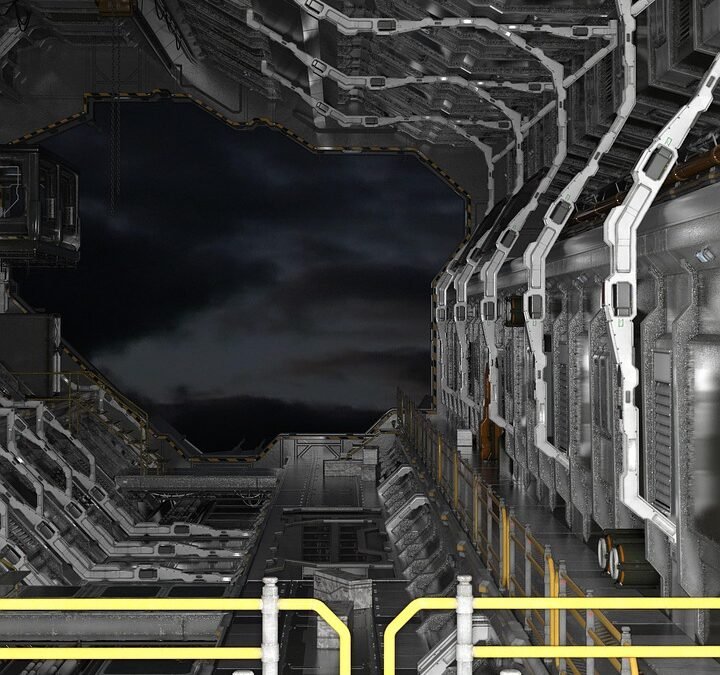
The Metaverse Gold Rush: How NFT games are Reshaping the Gaming Industry
The gaming industry is undergoing a radical transformation, fueled by the rise of the Metaverse and the advent of non-fungible tokens (NFTs). This evolution is not just a passing trend; it’s a gold rush that is attracting developers, players, and investors alike. In this article, we will explore how NFT games are reshaping the gaming landscape, the implications for players and developers, and what the future may hold for this exciting new frontier.
The Rise of the Metaverse
The term “metaverse” has gained significant traction in recent years, primarily due to advancements in virtual and augmented reality technologies, as well as the integration of blockchain. In essence, the metaverse refers to a collective virtual space that is created by the convergence of virtually enhanced physical reality and physically persistent Virtual reality. But what does this mean for gaming?
In the metaverse, players can interact with each other, create content, and engage in various activities within a shared digital universe. This interconnectedness is what sets the metaverse apart from traditional gaming environments. Players can own virtual real estate, trade digital assets, and even participate in economies that mirror the real world, thereby creating a more immersive and engaging experience.
NFTs: A game Changer
Non-fungible tokens, or NFTs, are unique digital assets that represent ownership of a specific item or piece of content on the blockchain. Unlike cryptocurrencies like Bitcoin or Ethereum, which are fungible and can be exchanged on a one-to-one basis, NFTs are one-of-a-kind and cannot be replicated. This uniqueness allows players to truly own their in-game assets, a concept that is transforming how we think about ownership in gaming.
In traditional gaming, players invest time and money into their characters, skins, and items, but they do not own them in the same way. When a game server shuts down or a developer decides to discontinue a game, all that investment can be lost. With NFTs, players can buy, sell, and trade their assets across different games and platforms, creating a new economy within the gaming industry.
The Economic Impact of NFT Games
The emergence of NFT games has given rise to a new economic model that is reshaping the landscape of gaming. Here are some of the key ways in which NFT games are impacting the economy:
- Play-to-Earn Models: Many NFT games adopt a play-to-earn model, allowing players to earn real money through gameplay. Players can earn tokens or NFTs by completing tasks, winning battles, or participating in events, which can then be sold or traded for cryptocurrency.
- Digital Ownership: Players can truly own their in-game assets, allowing them to trade or sell them independently of the game developer. This level of ownership incentivizes players to invest more time and money into their gaming experiences.
- New Revenue Streams: Game developers can create new revenue streams through the sale of NFTs, in-game transactions, and secondary markets. This can lead to a more sustainable business model in the long run.
Notable NFT Games Leading the Charge
Several NFT games have emerged as frontrunners in this new landscape, each offering unique gameplay experiences and economic opportunities. Some of the most notable titles include:
- Axie Infinity: Perhaps the most well-known NFT game, Axie Infinity allows players to collect, breed, and battle creatures called Axies. Players earn tokens by participating in battles and can trade their Axies on the marketplace.
- Decentraland: An expansive virtual world where players can buy, sell, and develop virtual real estate using NFTs. Players can create experiences, games, and even businesses within the platform.
- Gods Unchained: A trading card game that allows players to truly own their cards as NFTs. Players can buy, sell, and trade cards, creating a vibrant marketplace.
- The Sandbox: A virtual world where players can create, own, and monetize their gaming experiences using NFTs. The Sandbox provides a platform for user-generated content, allowing for endless possibilities.
Challenges and Concerns
While the rise of NFT games presents exciting opportunities, it also raises several challenges and concerns:
- Environmental Impact: The blockchain technology underlying NFTs, particularly Ethereum, has faced criticism for its high energy consumption. As the demand for NFT games grows, so too does the concern about their environmental footprint.
- Market Volatility: The value of NFTs can be highly volatile, leading to significant financial risks for players and investors alike. Speculation can drive prices up, but the market can also crash just as quickly.
- Accessibility: The current NFT gaming landscape can be challenging for newcomers. Understanding blockchain technology, wallets, and cryptocurrencies can be intimidating, potentially limiting the audience.
The Future of Gaming in the Metaverse
As NFT games continue to gain traction, the future of gaming in the metaverse looks bright. Developers are increasingly focusing on creating immersive experiences that prioritize player agency and ownership. Here are some trends to watch:
- Interoperability: The ability to use NFTs across different games and platforms will become more prevalent, creating a seamless experience for players and fostering a connected gaming ecosystem.
- Enhanced User Experiences: With advancements in virtual reality and augmented reality, players can expect more immersive and interactive experiences within the metaverse.
- community-Driven Development: Players will have a more significant say in game development, with communities influencing the direction of games through feedback and governance mechanisms.
Conclusion
The metaverse gold rush is well underway, driven by the innovative possibilities of NFT games. As players, developers, and investors flock to this new frontier, the gaming landscape is being reshaped in profound ways. While challenges remain, the potential for economic opportunities, creative expression, and community engagement in the metaverse is undeniably exciting. The future of gaming is here, and it’s time to embrace it.
FAQs
What are NFTs?
Non-fungible tokens (NFTs) are unique digital assets that represent ownership of a specific item or piece of content on the blockchain. Unlike cryptocurrencies, NFTs are one-of-a-kind and cannot be exchanged on a one-to-one basis.
How do NFT games work?
NFT games typically allow players to earn, buy, sell, and trade unique in-game assets that are represented as NFTs. Players can often earn real money through gameplay, creating a play-to-earn model.
What are some popular NFT games?
Some of the most popular NFT games include Axie Infinity, Decentraland, Gods Unchained, and The Sandbox, each offering unique gameplay experiences and economic opportunities.
Are NFT games environmentally friendly?
There are concerns about the environmental impact of NFT games, particularly due to the high energy consumption associated with blockchain technology. However, some projects are exploring more sustainable alternatives.
What does the future hold for NFT games?
The future of NFT games looks promising, with trends such as interoperability, enhanced user experiences, and community-driven development shaping their evolution. As technology advances, we can expect even more immersive and engaging experiences within the metaverse.