
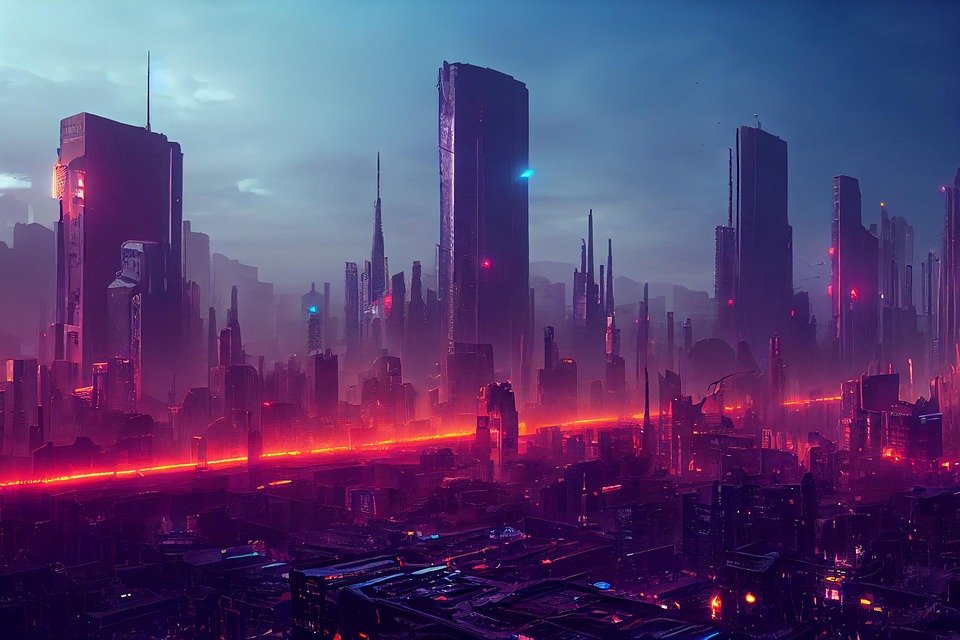
The Intersection of Virtual reality and NFTs: A New Era of Innovation
The digital landscape is evolving at an extraordinary pace, with two of the most revolutionary technologies—Virtual Reality (VR) and Non-Fungible Tokens (NFTs)—at the forefront. As we dive deeper into this new era of innovation, the intersection of VR and NFTs promises to reshape not only how we interact with digital content but also how we perceive ownership, creativity, and community in virtual spaces. This article explores this captivating intersection, its implications, and what the future may hold.
Understanding Virtual Reality and NFTs
What is Virtual Reality?
Virtual Reality is a computer-generated environment that immerses users in a simulated experience. Utilizing devices such as VR headsets, users can explore three-dimensional worlds that can replicate real-life scenarios or transport them to fantastical realms. This technology has applications across various sectors, including gaming, education, healthcare, and social interactions. The immersive nature of VR offers a unique platform for storytelling and engagement, allowing users to experience narratives and environments in ways previously unimaginable.
What are Non-Fungible Tokens (NFTs)?
NFTs are unique digital assets verified using blockchain technology, distinguishing them from cryptocurrencies like Bitcoin or Ethereum, which are fungible and can be exchanged on a one-to-one basis. Each NFT has a distinct value and identity, making them suitable for representing ownership of digital art, music, virtual real estate, and even virtual goods within games. The rise of NFTs has empowered creators by providing a new revenue stream and a way to engage with their audiences directly.
The Synergy of VR and NFTs
Creating Immersive Experiences
At the heart of the intersection of VR and NFTs lies the potential for creating immersive experiences that are not only engaging but also economically viable for creators. Artists can design virtual galleries showcasing their NFT art, allowing visitors to experience the artwork in a 3D space. This approach transcends traditional art exhibitions, enabling global reach and interaction. Users can explore these galleries with their avatars, interact with other visitors, and even purchase NFTs directly from the exhibition floor.
Virtual Real Estate and Digital Ownership
One of the most exciting developments in the VR-NFT realm is the concept of virtual real estate. Platforms like Decentraland and The Sandbox allow users to buy, sell, and trade virtual land as NFTs. Owners can develop their virtual plots into anything from concert venues to art galleries or social hubs. This new form of digital ownership introduces a speculative market that mirrors traditional real estate dynamics but is limited only by the imagination of the creators.
Gamification and Play-to-Earn Models
The gaming industry is already experiencing a significant transformation with the integration of NFTs. Many games are now implementing play-to-earn models, where players can earn NFTs as rewards for their achievements. In VR gaming, this takes on a new dimension, allowing players to not only earn unique in-game assets but also trade them on secondary markets. The potential for players to truly own their in-game items creates a more engaging and rewarding experience, blurring the lines between gaming and investment.
The Economic Implications
New Revenue Streams for Creators
The combination of VR and NFTs empowers creators by offering them innovative revenue streams. Artists, musicians, and game developers can monetize their work in unprecedented ways. For instance, a musician could host a virtual concert in a VR environment, selling tickets as NFTs that grant exclusive access to the event. This model not only enhances fan engagement but also ensures that creators receive a fair share of the profits, circumventing traditional distribution channels that often take a significant cut.
The Rise of Decentralized Markets
As the NFT market continues to grow, so does the need for decentralized platforms that facilitate the buying and selling of virtual assets. Blockchain technology ensures that transactions are transparent, secure, and verifiable, fostering trust among users. Decentralized marketplaces allow for the direct exchange of NFTs, eliminating intermediaries and enabling creators to set their prices. This shift towards decentralized commerce empowers individuals and communities, democratizing access to digital assets.
Challenges and Considerations
Environmental Concerns
While the intersection of VR and NFTs presents exciting opportunities, it is not without its challenges. One of the most pressing issues is the environmental impact of blockchain technology, particularly concerning energy consumption. The proof-of-work models used by many blockchains, such as Ethereum, have been criticized for their high energy usage. However, initiatives are underway to transition to more sustainable models, such as proof-of-stake, which significantly reduce energy consumption. Addressing these environmental concerns is crucial for the long-term sustainability of the VR-NFT ecosystem.
Regulatory and Legal Challenges
The rapid rise of NFTs has outpaced regulatory frameworks in many jurisdictions. Issues related to copyright, ownership, and fraud are emerging as significant concerns. As creators and investors navigate this new landscape, it is essential to establish clear legal definitions of ownership and rights associated with NFTs. Collaboration between governments, industry stakeholders, and legal experts will be necessary to create an environment that fosters innovation while protecting creators and consumers alike.
The Future of VR and NFTs
A New Era of Creativity and Innovation
As we look to the future, the potential for VR and NFTs to revolutionize industries is immense. The merging of these technologies could lead to entirely new forms of expression, interaction, and commerce. Artists may create interactive experiences that respond to user input, while brands could develop immersive marketing campaigns that engage consumers in unprecedented ways. The possibilities for innovation are limitless, and those who embrace this convergence will likely be at the forefront of the next digital renaissance.
Building Communities in Virtual Spaces
Beyond the economic implications, the intersection of VR and NFTs has the potential to foster communities in virtual spaces. As users gather in immersive environments, they can share experiences, collaborate on projects, and build relationships that transcend geographical boundaries. The ability to create and trade NFTs within these communities enhances engagement and encourages collaboration. This sense of belonging in virtual spaces can lead to the emergence of new social dynamics and cultural movements.
Conclusion
The intersection of Virtual Reality and Non-Fungible Tokens represents a new frontier of innovation that is reshaping our understanding of digital ownership, creativity, and community. As these technologies continue to evolve, they will unlock new opportunities for creators and users alike, driving economic growth and cultural transformation. While challenges remain, the potential benefits far outweigh the risks, paving the way for a future where the digital and physical worlds coexist harmoniously.
FAQs
What are the main advantages of combining VR and NFTs?
The combination of VR and NFTs offers immersive experiences, new revenue streams for creators, and the potential for true ownership of digital assets. This synergy allows for innovative applications in art, gaming, and social interactions.
How do NFTs work in virtual reality environments?
NFTs can represent unique digital assets within VR environments, such as virtual real estate, artwork, or in-game items. Users can buy, sell, and trade these NFTs, enhancing their experience and engagement in virtual spaces.
Are there environmental concerns associated with NFTs?
Yes, the energy consumption of blockchain technology, particularly in proof-of-work models, raises environmental concerns. Transitioning to more sustainable solutions like proof-of-stake is essential to address these issues.
What potential challenges do creators face in the VR-NFT space?
Creators may face challenges related to copyright, ownership disputes, and regulatory uncertainties. Establishing clear legal frameworks and protections will be crucial for fostering innovation and trust in this space.
How can individuals get involved in the VR and NFT market?
Individuals can participate by exploring existing VR platforms, creating or purchasing NFTs, and engaging with communities focused on these technologies. Learning about blockchain and digital art can also provide valuable insights for newcomers.