The Intersection of Art, Gaming, and blockchain: The Power of 3D NFTs
The world of digital art, gaming, and blockchain is undergoing a transformative evolution that is reshaping not only how we perceive ownership but also how we engage with creativity. At the heart of this revolution is the emergence of 3D Non-Fungible Tokens (NFTs), which are making waves across industries. This article explores the convergence of art, gaming, and blockchain technology, shedding light on the profound impact of 3D NFTs and their potential to redefine the future of creativity.
The Rise of NFTs: A Brief Overview
Non-Fungible Tokens, or NFTs, represent unique digital assets verified using blockchain technology. Unlike cryptocurrencies such as Bitcoin, which are fungible and can be exchanged on a one-to-one basis, NFTs hold distinct value and characteristics that make each one unique. The rise of NFTs has opened new avenues for digital artists and gamers, allowing them to monetize their work in unprecedented ways.
The concept of NFTs gained significant traction around 2020, with high-profile sales capturing headlines and sparking conversations about the value of digital art. Artists like Beeple have sold NFT artworks for millions, while game developers have begun integrating NFTs into their gaming ecosystems. This intersection of art and gaming has created a platform for 3D NFTs to shine.
The Allure of 3D NFTs
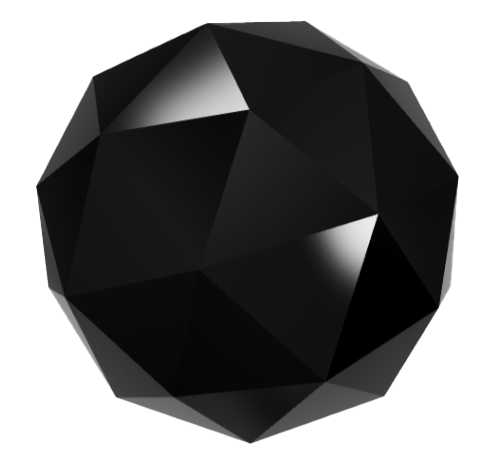
3D NFTs combine the intricacies of three-dimensional modeling with the ownership and provenance features of blockchain technology. These digital collectibles can take various forms, from virtual sculptures and characters to immersive environments and interactive experiences. The allure of 3D NFTs lies in their ability to engage audiences in a way that traditional 2D art cannot.
Imagine owning a one-of-a-kind 3D sculpture that you can rotate, zoom in on, and even interact with in a virtual space. This immersive experience not only enhances the appreciation of the artwork but also fosters a deeper emotional connection between the creator and the collector. As the technology evolves, the possibilities for 3D NFTs are expanding, allowing for even more intricate and engaging creations.
The Fusion of Art and Gaming
Art and gaming have always had a symbiotic relationship. Video games are often viewed as a form of art, with stunning visuals, intricate storytelling, and immersive worlds that captivate players. As gaming technology advances, artists are finding new ways to express their creativity within these virtual realms. The integration of 3D NFTs into gaming is a natural progression of this relationship.
Game developers are leveraging 3D NFTs to create unique in-game assets, such as characters, skins, and environments, that players can buy, sell, and trade. This not only enhances the gaming experience but also allows players to truly own their digital assets, creating a sense of investment and engagement. Players can showcase their collections, trade with others, and even participate in decentralized economies built around these NFTs.
Empowering Creators through Blockchain
One of the most significant advantages of 3D NFTs is the empowerment they offer to creators. Blockchain technology ensures that artists receive fair compensation for their work while retaining control over their creations. Smart contracts, a feature of blockchain, allow creators to set royalties on secondary sales, ensuring they benefit from the ongoing value of their work.
This shift in the power dynamics of the art world is particularly important for digital artists, who have historically struggled to monetize their work effectively. With 3D NFTs, artists can sell their creations directly to collectors, eliminating the need for intermediaries such as galleries or auction houses. This direct-to-collector model not only enhances the financial prospects for artists but also fosters a more intimate connection between creators and their audience.
The Future of 3D NFTs in Gaming
As the gaming industry continues to evolve, the potential for 3D NFTs is vast. Game developers are increasingly incorporating blockchain technology into their designs, leading to the creation of decentralized games where players have true ownership of their assets. This shift could revolutionize the gaming landscape, allowing players to invest in and profit from their gaming experiences.
Moreover, the concept of interoperability is gaining traction. Imagine being able to take your 3D NFT character from one game and use it in another, or selling it on a marketplace that spans multiple gaming platforms. This level of interconnectedness could create a flourishing ecosystem where creativity knows no bounds, and players can express their individuality across various gaming experiences.
Challenges and Considerations
Despite the exciting potential of 3D NFTs, there are challenges that need to be addressed. The environmental impact of blockchain technology, particularly in terms of energy consumption, is a concern for many. As the demand for NFTs grows, so does the need for sustainable solutions that minimize the carbon footprint associated with minting and trading these digital assets.
Additionally, the speculative nature of the NFT market raises questions about value and authenticity. As more creators enter the space, distinguishing between genuine artistry and mere hype becomes crucial. The development of robust verification systems and marketplaces will be essential in maintaining the integrity of the NFT ecosystem.
Conclusion: A New Era of Creativity
The intersection of art, gaming, and blockchain technology is ushering in a new era of creativity, driven by the power of 3D NFTs. This innovative fusion is redefining ownership, enabling artists to connect with their audience in meaningful ways, and empowering players to truly own their digital experiences. As the technology matures and challenges are addressed, the possibilities for 3D NFTs are boundless.
In this brave new world, creativity knows no bounds. Artists and gamers alike are invited to explore the rich tapestry of digital expression, driven by the promise of ownership and the thrill of engagement. As we stand on the brink of this exciting frontier, one thing is certain: the future of art and gaming is here, and it is more vibrant than ever.
FAQs
What are 3D NFTs?
3D NFTs are unique digital assets that represent three-dimensional models or experiences, verified on a blockchain. They can take the form of virtual sculptures, characters, or interactive environments.
How do 3D NFTs benefit artists?
3D NFTs empower artists by allowing them to sell their creations directly to collectors, retain control over their work, and earn royalties on secondary sales through smart contracts.
Can I use 3D NFTs in multiple games?
Yes, the concept of interoperability is gaining traction, allowing players to potentially use their 3D NFT assets across different games and platforms, creating a more interconnected gaming experience.
What are the environmental concerns associated with NFTs?
The environmental impact of blockchain technology, particularly concerning energy consumption, is a concern for many in the NFT space. Efforts are being made to develop more sustainable solutions to minimize this impact.
How can I start collecting 3D NFTs?
To start collecting 3D NFTs, you will need a digital wallet that supports NFTs, a cryptocurrency to make purchases (often Ethereum), and access to NFT marketplaces where these digital assets are sold.