
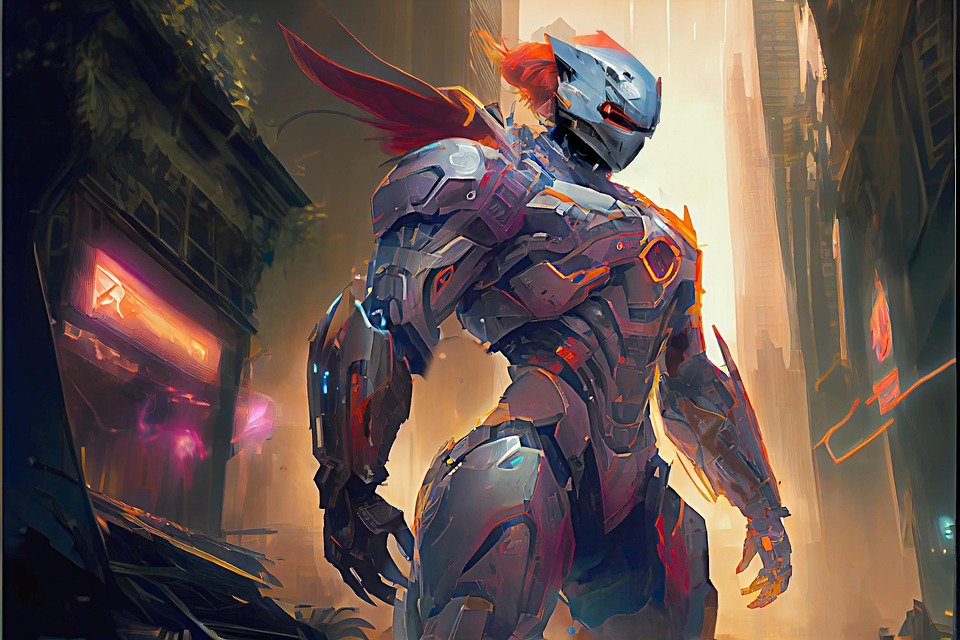
The Future of Virtual Worlds: What’s Next for This Growing Industry
As technology continues to evolve at a breathtaking pace, the concept of virtual worlds is transforming from a niche market into a mainstream phenomenon. With advancements in Virtual reality (VR), augmented reality (AR), and mixed reality (MR), the potential of these digital realms is becoming limitless. From gaming to education, social interaction to business, virtual worlds are set to revolutionize how we experience life. But what does the future hold for this burgeoning industry? In this article, we will explore the trends, technologies, and possibilities that await us in the vast expanse of virtual worlds.
The Evolution of Virtual Worlds
To understand the future, it’s essential to recognize the journey that virtual worlds have taken thus far. The early days of virtual worlds can be traced back to text-based games like MUD (Multi-User Dungeon) in the late 1970s and early 1980s. These rudimentary platforms paved the way for more sophisticated environments such as Second Life (launched in 2003) and massively multiplayer online games (MMOs) like World of Warcraft.
Over the years, we have witnessed a significant shift in how users interact with virtual worlds. What was once a solitary experience has evolved into a shared, immersive environment where users can communicate, collaborate, and create. As technology has improved, so has the realism and engagement level of these platforms.
Current Trends in Virtual Worlds
As we look toward the future, several trends are shaping the direction of virtual worlds:
- Increased Accessibility: With affordable VR headsets and smartphones capable of AR applications, virtual worlds are becoming accessible to a broader audience.
- Social Interaction: Virtual worlds are increasingly emphasizing social experiences, allowing users to meet, socialize, and collaborate in ways that were not possible before.
- Virtual Economies: The rise of cryptocurrencies and blockchain technology is enabling the creation of robust virtual economies where users can buy, sell, and trade digital assets.
- Gamification: Elements of gaming are being incorporated into various industries, enhancing engagement and motivation in training and education.
- Interoperability: The push for interconnected virtual worlds is gaining momentum, allowing users to move seamlessly between different platforms.
Technological Advances Driving the Future
Technological innovation is at the heart of the evolution of virtual worlds. Several cutting-edge technologies are expected to play pivotal roles in shaping the future:
- artificial intelligence (AI): AI will enhance user interactions within virtual worlds, enabling personalized experiences and smarter NPCs (non-player characters) that can adapt to user behavior.
- 5G Connectivity: The rollout of 5G networks will facilitate smoother, more immersive experiences with lower latency, allowing for real-time interactions in virtual environments.
- Haptic Feedback: The development of haptic technology will enable users to feel sensations in virtual worlds, heightening immersion and making experiences more realistic.
- Cloud Computing: With cloud-based solutions, users can access complex virtual environments without the need for high-end hardware, democratizing access to advanced virtual experiences.
Applications of Virtual Worlds
While gaming remains the most prominent application of virtual worlds, numerous other industries are leveraging the technology:
- Education: Virtual classrooms are becoming increasingly popular, offering interactive and engaging learning experiences that allow students to explore subjects in a 3D environment.
- Healthcare: Medical training simulations and virtual therapy sessions are enhancing patient care and providing practitioners with safe environments to hone their skills.
- Real Estate: Virtual tours allow potential buyers to explore properties in detail from the comfort of their homes, revolutionizing the real estate market.
- Workspaces: Virtual offices are emerging as companies adapt to remote work, allowing employees to collaborate in a shared space, regardless of their physical location.
The Role of NFTs and Digital Ownership
Non-fungible tokens (NFTs) are making waves in the virtual world landscape, allowing users to own unique digital assets, from virtual real estate to artwork. NFTs provide a way for creators to monetize their work and for users to invest in digital assets with the potential for appreciation.
As the concept of ownership evolves in virtual spaces, we are likely to see more robust marketplaces where users can trade, sell, and showcase their digital possessions. This shift will create new economic opportunities and redefine the meaning of ownership in the digital age.
Challenges Facing the Industry
Despite the exciting prospects of virtual worlds, several challenges must be addressed:
- Privacy and Security: As users engage more deeply in virtual environments, concerns around data privacy and security will become increasingly significant.
- Digital Divide: Ensuring equal access to virtual worlds remains a challenge, as disparities in technology access can create a divide between users.
- Content Moderation: As social interactions increase, platforms will need to implement effective moderation strategies to create safe environments for users.
The Future Landscape of Virtual Worlds
Looking ahead, the future of virtual worlds is not just about new technologies but also about how we redefine our relationships with each other and the digital space. Here are some potential developments we might see:
- Personalized Virtual Experiences: As AI and machine learning continue to advance, virtual worlds will offer tailored experiences that cater specifically to individual preferences and behaviors.
- Integration with Real Life: The blending of virtual and physical realities will become increasingly seamless, with AR applications enhancing everyday life through contextual information and interactions.
- Global Communities: Virtual worlds will foster global communities, transcending geographical barriers and allowing diverse cultures to interact, collaborate, and share ideas.
- Environmental Awareness: Virtual worlds may also serve as platforms for raising awareness about real-world issues, such as climate change, through immersive experiences that motivate action.
Conclusion: Embracing the Future of Virtual Worlds
As we stand on the precipice of a new era in technology, the future of virtual worlds is filled with potential and promise. This growing industry is set to redefine our experiences, interactions, and even our understanding of reality itself. By embracing these advancements and addressing the challenges ahead, we can create a future where virtual worlds enrich our lives in ways we have yet to imagine.
FAQs
What are virtual worlds?
Virtual worlds are computer-generated environments where users can interact with each other and the surroundings in real-time. These worlds can be accessed through various devices, including VR headsets, computers, and smartphones.
How are virtual worlds used in education?
Virtual worlds are used in education to create immersive learning experiences, allowing students to explore subjects in a 3D environment, engage in simulations, and collaborate with peers in real-time.
What role do NFTs play in virtual worlds?
NFTs enable users to own unique digital assets within virtual worlds, such as virtual real estate, artwork, and in-game items. They provide a way for creators to monetize their work and for users to invest in digital assets.
What challenges do virtual worlds face?
Some challenges facing the industry include privacy and security concerns, the digital divide in technology access, and the need for effective content moderation to ensure safe environments for users.
How will virtual worlds impact social interactions?
Virtual worlds are expected to enhance social interactions by allowing people to meet, collaborate, and socialize in immersive environments. This can lead to the creation of global communities that transcend geographical boundaries.