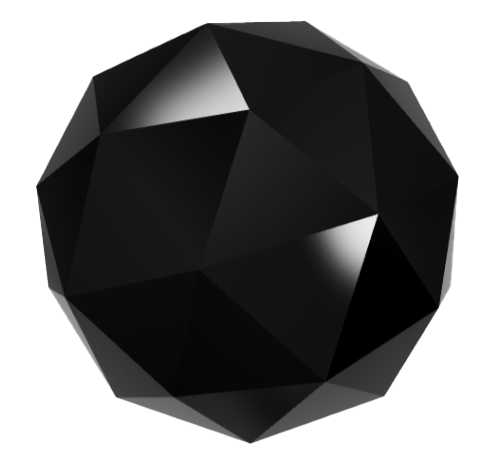

The Future of Collectibles: Mint 3D NFTs Take Center Stage
As we stride confidently into a digitally dominated era, the realm of collectibles is evolving in ways that were previously unimaginable. While traditional collectibles like trading cards, coins, and stamps have long held a special place in the hearts of enthusiasts, a new player has emerged on the scene: Mint 3D NFTs. These unique digital assets are not just altering how we perceive ownership, but also how we experience and interact with collectibles. In this article, we will explore the rise of Mint 3D NFTs, their impact on the collectibles market, and what the future holds for this dynamic landscape.
Understanding Mint 3D NFTs
Before diving into the implications of Mint 3D NFTs for collectors, it’s essential to understand what they are. An NFT, or Non-Fungible Token, is a blockchain-based digital asset that represents ownership of a unique item or piece of content. Unlike cryptocurrencies such as Bitcoin or Ethereum, which are fungible and can be exchanged for one another, NFTs are distinct and cannot be substituted for one another.
Mint 3D NFTs take this concept a step further by incorporating three-dimensional models and animations. These digital collectibles can showcase intricate designs, lifelike animations, and interactive features, providing a richer experience than traditional 2D images or videos. As a result, Mint 3D NFTs are becoming increasingly popular among artists, gamers, and collectors who seek to own a piece of the digital art revolution.
The Intersection of Art and Technology
The emergence of Mint 3D NFTs is a testament to the powerful intersection of art and technology. Artists are leveraging these digital assets to create stunning visual experiences that captivate audiences and foster community engagement. The ability to create immersive, 3D collectibles allows artists to push boundaries and explore new forms of expression.
Moreover, the blockchain technology underpinning NFTs ensures that artists receive royalties on future sales. This mechanism not only empowers creators but also fosters a sustainable ecosystem where artists can thrive. As a result, Mint 3D NFTs are helping to democratize the art world by providing artists with new avenues for expression and income.
The Collectibles Market Transformation
The collectibles market is undergoing a seismic shift with the rise of Mint 3D NFTs. Traditional collectibles often suffer from issues such as authenticity verification and market accessibility. However, NFTs offer inherent solutions to these problems. Each Mint 3D NFT is tied to a unique identifier on the blockchain, ensuring its authenticity and provenance. Collectors can easily verify the ownership history of an NFT, instilling confidence in their purchases.
Additionally, the global nature of blockchain technology allows collectors from around the world to participate in the market. No longer restricted by geographical boundaries, enthusiasts can buy, sell, and trade Mint 3D NFTs with ease. This increased accessibility is attracting a new generation of collectors who may not have previously engaged with traditional collectibles.
Community and Ownership
One of the most exciting aspects of Mint 3D NFTs is their ability to foster community and a sense of ownership among collectors. Many NFT projects are built around communities that share common interests, whether it’s a specific art style, gaming franchise, or cultural movement. Collectors often form bonds over their shared passion, leading to vibrant online communities and social interactions.
Moreover, owning a Mint 3D NFT can grant collectors access to exclusive events, experiences, or even future drops. This added layer of engagement enhances the value of the collectible beyond its aesthetic or monetary worth. Collectors are no longer passive observers; they become active participants in the ecosystems surrounding their NFTs.
The Role of Gamification
As the market for Mint 3D NFTs continues to grow, gamification is becoming an increasingly important factor. Many projects are incorporating elements of gaming into their NFTs, allowing collectors to unlock rewards, complete challenges, or level up their assets. This interactive aspect not only increases engagement but also creates a sense of excitement and adventure for collectors.
For example, some NFT games require players to collect specific Mint 3D NFTs to unlock new levels or access unique in-game items. This blending of gaming and collectibles is appealing to younger audiences who are looking for immersive experiences. It also opens the door for innovative collaborations between artists, game developers, and collectors.
The Environmental Considerations
While the rise of Mint 3D NFTs has brought numerous benefits to the collectibles market, it has also raised concerns about environmental sustainability. The energy consumption associated with blockchain technologies, particularly those using proof-of-work mechanisms, has come under scrutiny. As collectors and creators become more aware of these issues, many are seeking eco-friendly alternatives.
Fortunately, the NFT space is evolving to address these concerns. Several platforms are adopting proof-of-stake mechanisms, which significantly reduce energy consumption. Additionally, initiatives to plant trees or offset carbon emissions are gaining traction. As the community grows, so does the responsibility to ensure that the future of Mint 3D NFTs is sustainable.
The Future of Mint 3D NFTs
So, what does the future hold for Mint 3D NFTs and the collectibles market? The possibilities are endless. As technology continues to advance, we can expect even more innovative applications of NFTs. Augmented reality (AR) and Virtual reality (VR) are on the horizon, allowing collectors to experience their Mint 3D NFTs in immersive environments.
Imagine showcasing your collection of Mint 3D NFTs in a virtual gallery, inviting friends to explore and interact with your assets. This level of interactivity could redefine how we perceive and share digital art. Furthermore, the integration of AI and machine learning could lead to personalized experiences, where collectors receive tailored recommendations based on their preferences and past interactions.
Additionally, as the market matures, we may see more regulation and standardization. This could provide added security and legitimacy to the NFT space, attracting traditional investors and institutions. As Mint 3D NFTs gain mainstream acceptance, they may even become integral to various industries, from gaming to fashion to real estate.
Conclusion
The emergence of Mint 3D NFTs is not just a passing trend; it represents a fundamental shift in how we view collectibles. By harnessing the power of blockchain technology, artists, collectors, and communities are redefining ownership and interaction within the collectibles space. As we continue to explore the potential of these digital assets, one thing is clear: the future of collectibles is bright, and Mint 3D NFTs are leading the charge.
FAQs
What are Mint 3D NFTs?
Mint 3D NFTs are non-fungible tokens that represent unique digital assets in a three-dimensional format. They often include intricate designs and animations, providing a richer experience than traditional collectibles.
How do Mint 3D NFTs differ from traditional collectibles?
Mint 3D NFTs exist on the blockchain, ensuring authenticity and provenance. They can be easily bought, sold, and traded globally, and offer interactive features that traditional collectibles cannot.
Are Mint 3D NFTs environmentally friendly?
The environmental impact of NFTs largely depends on the blockchain technology used. Many NFT platforms are transitioning to more sustainable practices, such as proof-of-stake mechanisms to reduce energy consumption.
How can I get involved in collecting Mint 3D NFTs?
You can start collecting Mint 3D NFTs by exploring various NFT marketplaces such as Opensea, Rarible, and Foundation. Research different projects and communities to find NFTs that resonate with your interests.
What is the future of Mint 3D NFTs?
The future of Mint 3D NFTs is likely to include advancements in technology, such as AR and VR experiences, increased regulation, and broader acceptance across various industries, transforming how we interact with digital art and collectibles.