The Art of the Third Dimension: Exploring the Unique Possibilities of 3D NFTs
The digital art world has undergone a transformative revolution with the advent of Non-Fungible Tokens (NFTs), enabling artists to sell and showcase their creations in ways previously unimaginable. Among the myriad forms of digital art, 3D NFTs have emerged as a captivating frontier that offers unique artistic possibilities, pushing the boundaries of creativity and engagement. This article delves into the world of 3D NFTs, examining their significance, benefits, and the artistic opportunities they present, while also providing insights into their future potential.
The Rise of NFTs
Before diving into the intricacies of 3D NFTs, it is essential to understand the broader NFT landscape. Non-Fungible Tokens are unique digital assets verified using blockchain technology, ensuring their authenticity and ownership. Unlike cryptocurrencies like Bitcoin or Ethereum, which are fungible and interchangeable, NFTs represent specific items—be it digital art, music, virtual real estate, or even tweets. This uniqueness has made NFTs a sensation in the art world.
In 2021, the NFT market exploded, with sales reaching unprecedented heights. Artists such as Beeple sold digital pieces for millions, capturing global attention. However, while many NFTs are 2D artworks, the introduction of 3D NFTs has opened a new dimension—literally and figuratively—in the digital art landscape.
What Are 3D NFTs?
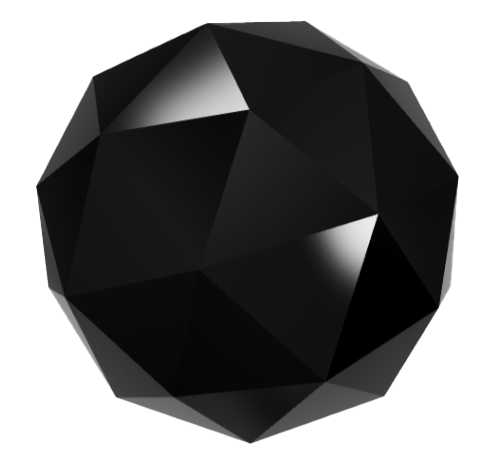
3D NFTs are digital assets that represent three-dimensional objects or environments. Unlike traditional 2D images, 3D NFTs can be interacted with and manipulated, allowing viewers to experience art in a more immersive way. These tokens can take various forms, from virtual sculptures and animated characters to entire virtual worlds, providing artists with innovative tools to express their creativity.
What sets 3D NFTs apart is their ability to offer a multi-sensory experience. Artists can incorporate sound, movement, and interactivity, engaging viewers beyond mere visual appreciation. This added depth transforms the way we understand and appreciate digital art, creating a more profound connection between the artist and the audience.
The Artistic Advantages of 3D NFTs
The emergence of 3D NFTs brings several artistic advantages that can significantly enhance the creative process:
- Interactivity: 3D NFTs allow users to interact with the artwork, providing a level of engagement that traditional 2D pieces cannot achieve. Viewers can rotate, zoom in, and explore the artwork from various angles, creating a more personal experience.
- Immersion: The ability to create fully immersive environments can transport viewers into entirely different worlds. Artists can design virtual galleries or landscapes that draw the audience into the art piece itself.
- Dynamic Content: 3D NFTs can include animations and changes over time, making the experience more dynamic. Artists can create narratives that evolve, inviting viewers to return and discover new elements.
- Collaboration: The digital nature of 3D NFTs encourages collaboration among artists, developers, and technologists, fostering a community of creativity and innovation.
Notable Examples of 3D NFTs
To illustrate the potential of 3D NFTs, it is essential to highlight some notable examples that have captured the imagination of collectors and art enthusiasts alike:
- “CryptoPunk 3D”: While the original CryptoPunks were 2D pixel art avatars, artists have begun creating 3D renditions that add depth and texture to these iconic characters. Such reinterpretations have gained popularity in the NFT market, showcasing the adaptability of digital art.
- “The Sandbox”: This virtual world allows users to create and sell 3D NFTs that can be used in the game. Artists can design unique assets ranging from characters to landscapes, creating a thriving ecosystem where creativity meets gaming.
- “Nyan Cat 3D”: The beloved internet meme has been transformed into a 3D NFT, allowing fans to experience the iconic cat in a new and engaging way. This showcases how even established memes can find new life in the 3D NFT space.
Creating 3D NFTs: Tools and Techniques
For artists interested in venturing into the world of 3D NFTs, several tools and techniques can facilitate the creation process:
- 3D Modeling software: Programs like Blender, Autodesk Maya, and Cinema 4D are popular choices for creating 3D models. These tools offer robust features for sculpting, texturing, and animating objects.
- Game Engines: Platforms like Unity and Unreal Engine allow artists to create interactive environments and experiences. These engines enable the integration of sound and interactive elements, enhancing the overall experience.
- Animation Software: Tools such as Adobe After Effects or Mixamo can be used to animate 3D models, bringing them to life and adding a dynamic dimension to the artwork.
- Blockchain Platforms: Artists can choose from various blockchain platforms to mint their 3D NFTs, including Ethereum, Binance Smart Chain, and Tezos. Each platform has its advantages and community, so it’s essential to consider which aligns best with the artist’s goals.
The Future of 3D NFTs
The future of 3D NFTs looks promising, with several trends likely to shape their evolution:
- Increased Adoption: As more artists and collectors recognize the value of 3D NFTs, adoption rates are expected to soar. This trend will likely lead to an influx of innovative projects and collaborations.
- Integration with Virtual reality (VR): The integration of 3D NFTs with VR technology will create even more immersive experiences, allowing users to step into virtual galleries and interact with art in ways previously unimaginable.
- Enhanced Interoperability: The development of standards for 3D NFTs will allow assets to be used across different platforms and virtual worlds, fostering a more interconnected digital ecosystem.
- Sustainability Concerns: As the NFT market grows, so does the need for sustainable practices. Artists and platforms will likely prioritize eco-friendly solutions to mitigate the environmental impact of blockchain technology.
Challenges in the 3D NFT Space
Despite the exciting possibilities, the 3D NFT space also faces several challenges that artists and collectors must navigate:
- Technical Barriers: Creating high-quality 3D NFTs requires a certain level of technical skill and familiarity with software tools, which may deter some artists from exploring this medium.
- Market Saturation: As more artists enter the NFT space, the market may become saturated, making it challenging for individual creators to stand out and gain visibility.
- Intellectual Property Issues: The digital nature of NFTs can lead to concerns regarding copyright and ownership, as the ease of reproducing digital art raises questions about originality.
Conclusion
The art of the third dimension is an exciting frontier within the NFT landscape, offering artists unparalleled opportunities to express their creativity and engage with audiences in innovative ways. As technology continues to evolve, the possibilities for 3D NFTs will expand, pushing the boundaries of artistic expression even further. By embracing this new medium, artists can explore new narratives, create immersive experiences, and redefine the relationship between art and its audience.
FAQs
What are NFTs?
NFTs, or Non-Fungible Tokens, are unique digital assets verified using blockchain technology, representing ownership of specific items such as art, music, or virtual real estate.
How do 3D NFTs differ from traditional NFTs?
3D NFTs represent three-dimensional objects or environments, allowing for interactivity and immersion, whereas traditional NFTs are typically two-dimensional images or static assets.
What tools can I use to create 3D NFTs?
Artists can use 3D modeling software like Blender, game engines like Unity, and animation software like Adobe After Effects to create 3D NFTs.
What is the future of 3D NFTs?
The future of 3D NFTs looks promising, with trends such as increased adoption, integration with VR, enhanced interoperability, and a focus on sustainability likely to shape their evolution.
What challenges do artists face when creating 3D NFTs?
Challenges include technical barriers, market saturation, and intellectual property issues, which can complicate the process of creating and selling 3D NFTs.