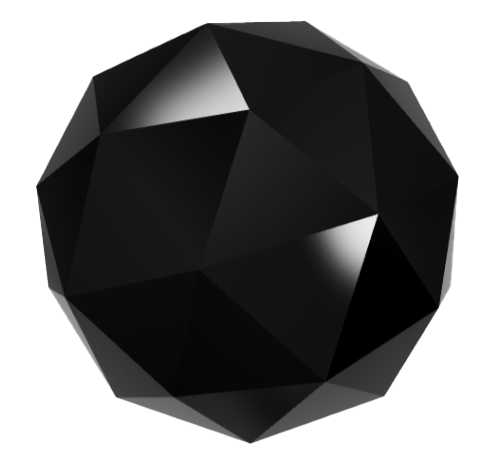

NFTs Go 3D: The Emergence of Generative Art in the Digital Marketplace
The world of digital art has undergone a seismic shift over the past few years, with Non-Fungible Tokens (NFTs) emerging as a revolutionary medium for artists and collectors alike. Now, as technology advances, a new frontier is opening up: the realm of 3D generative art. By combining the uniqueness of NFTs with the depth and interactivity of 3D art, artists are creating immersive experiences that promise to redefine how we perceive and engage with artistic expression in the digital marketplace.
The Rise of NFTs: A Brief Overview
Before delving into the nuances of 3D generative art, it’s essential to understand the foundation that NFTs have built. NFTs are digital assets verified using blockchain technology, which ensures their uniqueness and ownership. Unlike traditional cryptocurrencies, each NFT is distinct and cannot be exchanged on a one-to-one basis, making them ideal for representing ownership of digital art, music, virtual real estate, and other digital collectibles.
The NFT market exploded in 2021, with sales reaching billions of dollars, captivating not only artists and tech enthusiasts but also mainstream media. High-profile sales, such as Beeple’s “Everydays: The First 5000 Days,” which sold for $69 million at a Christie’s auction, brought unprecedented attention to the space.
The Allure of Generative Art
Generative art is a form of art created through algorithmic processes. Artists use software to create rules and parameters that define the artwork, allowing the program to generate unique pieces autonomously. This process of combining creativity with technology has fascinated artists for decades, but its integration into the NFT space has opened up new avenues for exploration.
3D generative art, in particular, pushes the boundaries of what is possible in digital art. By employing complex algorithms and 3D modeling techniques, artists can create intricate, multidimensional pieces that engage viewers on a deeper level. These artworks can be interactive, allowing users to manipulate the form or navigate through virtual spaces, creating a more immersive experience.
How 3D Generative Art is Changing the NFT Landscape
The introduction of 3D generative art into the NFT marketplace is not merely a gimmick; it represents a significant evolution in how art is created, marketed, and experienced. Here are some key ways in which 3D generative art is transforming the NFT landscape:
1. Enhanced Interactivity
Unlike traditional 2D NFTs, 3D generative art allows for interaction. Viewers can explore the artwork from different angles or even participate in its evolution. This level of engagement can create a more personal connection between the artist and the audience, as well as between viewers and the art itself.
2. Infinite Possibilities
One of the most exciting aspects of generative art is its capacity for endless variation. Each piece generated can be unique, with subtle (or not-so-subtle) differences, making every interaction distinct. This quality not only enhances the value of the NFT but also challenges traditional notions of artistic authorship and originality.
3. New Revenue Streams for Artists
3D generative art can also create new revenue opportunities for artists. By selling unique, interactive pieces, artists can command higher prices for their work. Moreover, the programmable nature of NFTs allows for features such as royalties on secondary sales, ensuring that artists continue to benefit from their work long after the initial sale.
4. Bridging the Gap Between Art and Technology
The fusion of artistic expression and technological innovation is at the heart of 3D generative art. Artists who embrace this medium are not just creators; they are also programmers and innovators. This convergence can attract a broader audience, including tech enthusiasts and gamers, who may not typically engage with traditional art forms.
Prominent Platforms for 3D Generative Art NFTs
As the demand for 3D generative art grows, several platforms have emerged to facilitate the buying, selling, and showcasing of these unique NFTs. Here are some notable platforms leading the charge:
1. Opensea
OpenSea is one of the largest and most well-known NFT marketplaces. It allows artists to mint and sell their NFTs, including 3D generative artworks. OpenSea’s user-friendly interface and extensive community make it a preferred choice for many creators.
2. Foundation
Foundation is a curated NFT marketplace that emphasizes high-quality art. It has gained popularity among digital artists and collectors alike, offering a platform for 3D generative artists to showcase their work in a more exclusive environment.
3. Rarible
Rarible is a decentralized NFT marketplace that allows users to create, buy, and sell NFTs. It supports a wide range of digital assets, including 3D generative art, and incorporates a community governance model, enabling users to vote on platform changes and developments.
4. Art Blocks
Art Blocks is a platform specifically designed for generative art. Artists can mint their work as NFTs directly on the platform, and collectors can purchase these unique pieces. The platform emphasizes the importance of the algorithm and code behind the artwork, making it a popular choice for 3D generative artists.
Challenges and Considerations
While the emergence of 3D generative art in the NFT marketplace is exciting, it also comes with challenges and considerations that artists and collectors must navigate:
1. Environmental Concerns
The environmental impact of blockchain technology, particularly proof-of-work systems like Ethereum, has raised concerns within the art community. Artists and collectors are increasingly aware of the carbon footprint associated with minting NFTs. Some platforms are exploring eco-friendly alternatives, such as proof-of-stake, to mitigate these concerns.
2. Market Volatility
The NFT market is notoriously volatile, with prices for digital assets fluctuating dramatically. Artists must be prepared for the ups and downs of the market and consider how this volatility affects the perception of their work and its value.
3. Intellectual Property Issues
As with any digital medium, intellectual property rights can be complicated in the world of NFTs. Artists must ensure they have the necessary rights to any elements incorporated into their generative artworks, and buyers should be aware of what rights they are acquiring when purchasing an NFT.
Looking to the Future
The future of 3D generative art in the NFT space is bright, with endless possibilities for innovation and creativity. As technology continues to evolve, we can expect to see even more immersive experiences, expanded interactivity, and greater integration with virtual and augmented reality.
Moreover, as more artists experiment with generative processes, the diversity of styles, themes, and concepts will undoubtedly enrich the digital art landscape. This evolution will challenge traditional art paradigms and encourage new dialogues about the meaning of art in the digital age.
Conclusion
The emergence of 3D generative art within the NFT marketplace represents a significant turning point in the evolution of digital art. By blending technology with creativity, artists are crafting unique experiences that captivate audiences and redefine our understanding of artistic expression. As this innovative medium continues to grow, it promises to reshape the future of art, commerce, and culture in ways we are only beginning to imagine.
Frequently Asked Questions (FAQs)
What are NFTs?
Non-Fungible Tokens (NFTs) are unique digital assets verified on a blockchain, representing ownership of a specific item, such as digital art, music, or virtual real estate.
What is generative art?
Generative art is created using algorithms and computer code, allowing artists to produce unique pieces through automated processes.
What is the difference between 2D and 3D generative art?
2D generative art is confined to flat images, while 3D generative art incorporates depth and dimensionality, allowing for more complex and interactive experiences.
How can I buy 3D generative art NFTs?
You can purchase 3D generative art NFTs on various platforms such as OpenSea, Foundation, Rarible, and Art Blocks by creating a digital wallet and connecting it to the marketplace.
Are there environmental concerns associated with NFTs?
Yes, the energy consumption of blockchain technology, particularly proof-of-work systems, has raised environmental concerns. Many platforms are exploring eco-friendly solutions to address this issue.
Can I sell my 3D generative art as an NFT?
Yes, if you create 3D generative art, you can mint and sell it as an NFT on various marketplaces, provided you have the rights to the artwork.