
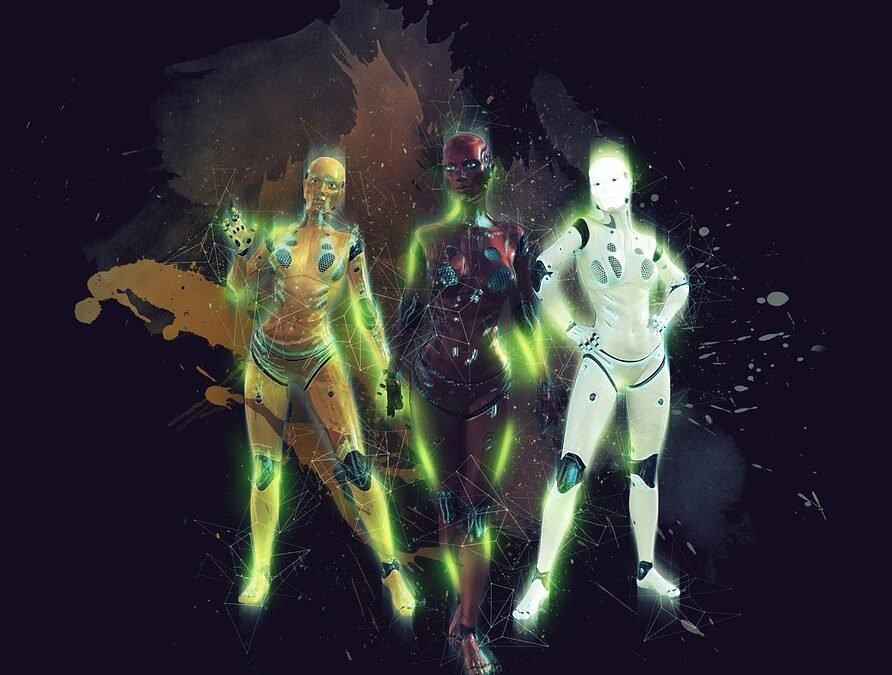
Metaverse Mania: Exploring the Diverse Landscape of Virtual Realities
The term “Metaverse” has become a buzzword in recent years, captivating the imaginations of tech enthusiasts, gamers, and investors alike. As we delve into the realm of virtual realities, we find a captivating landscape filled with diverse experiences, technological advancements, and endless possibilities. This article explores the intricacies of the metaverse, its components, and its implications for society.
The Birth of the Metaverse
The concept of the metaverse isn’t new; it has its roots in science fiction. Neal Stephenson’s 1992 novel, “Snow Crash,” introduced the idea of a Virtual reality-based successor to the internet. However, it wasn’t until the emergence of advanced technologies—like blockchain, augmented reality (AR), and virtual reality (VR)—that the metaverse began to take shape. Today, it encompasses a vast array of digital worlds, each offering unique experiences and interactions.
The Components of the Metaverse
The metaverse is not a singular entity but rather a collection of interconnected virtual environments. Here are some of its key components:
1. Virtual Reality (VR)
VR immerses users in a fully digital environment, allowing them to interact with the virtual world through headsets and motion controllers. Platforms like Oculus Rift, HTC Vive, and PlayStation VR have made significant strides in delivering captivating VR experiences. From gaming to virtual tourism, VR enables users to escape reality and explore new worlds.
2. Augmented Reality (AR)
AR overlays digital information onto the real world, enhancing our perception of our surroundings. Popular applications like Pokémon GO and Snapchat filters are prime examples of AR’s potential. As hardware becomes more sophisticated, we can expect AR to play a significant role in everyday life, blending the physical and digital realms seamlessly.
3. Blockchain and NFTs
Blockchain technology underpins many metaverse platforms, providing a decentralized framework for ownership and transactions. Non-fungible tokens (NFTs) have gained immense popularity as a means to buy, sell, and trade digital assets, such as virtual real estate, art, and collectibles. This emergence of digital ownership has transformed how users interact with virtual environments, opening new avenues for creators and consumers alike.
4. social Interaction
At its core, the metaverse thrives on social interaction. Platforms like VRChat and Second Life allow users to create avatars, socialize, and participate in various activities. These virtual spaces foster communities, enabling people to connect regardless of geographical boundaries. The metaverse is not just about gaming; it’s about building relationships and shared experiences.
The Diverse Landscape of Virtual Realities
Within the metaverse, a multitude of virtual worlds exists, each catering to different interests and demographics. Let’s explore some of the most prominent metaverse platforms:
1. Decentraland
Decentraland is a blockchain-based virtual world where users can buy, sell, and build on virtual land. It empowers users by giving them ownership of their digital assets, which can be traded or developed into unique experiences. From art galleries to virtual casinos, Decentraland offers a wide range of activities, making it a hotspot for creators and entrepreneurs.
2. Roblox
Roblox is a user-generated online gaming platform that allows players to create and share their games. With millions of active users, Roblox has become a cultural phenomenon, particularly among younger audiences. Its accessibility and creative tools empower users to design immersive experiences, ranging from obstacle courses to role-playing adventures.
3. Fortnite
Originally a battle royale game, Fortnite has evolved into a metaverse in its own right. With virtual concerts, movie screenings, and collaborations with major brands, Fortnite transcends traditional gaming. Its dynamic environment encourages social interactions and creative expression, attracting millions of players worldwide.
4. VRChat
VRChat is a social VR platform that allows users to create and explore virtual worlds together. With a focus on social interaction, VRChat provides a space for users to meet, chat, and participate in various activities. Its user-generated content, including custom avatars and worlds, fosters a vibrant community, making it a unique corner of the metaverse.
5. The Sandbox
The Sandbox is another blockchain-based virtual world that emphasizes user-generated content. Players can create, own, and monetize their gaming experiences through NFTs. The Sandbox’s focus on creativity and community engagement has attracted a diverse audience, from gamers to artists and developers.
The Future of the Metaverse
As technology continues to evolve, the metaverse is expected to grow exponentially. Here are a few trends that could shape its future:
1. Increased Interoperability
Currently, many metaverse platforms operate in silos, limiting users’ ability to move assets and experiences between them. The future may see greater interoperability, allowing users to navigate seamlessly across different virtual worlds while retaining ownership of their digital assets.
2. Enhanced User Experiences
As hardware and software improve, the user experience in the metaverse will become increasingly immersive. Advancements in haptic feedback, AI, and spatial audio will enhance the sense of presence, making virtual interactions feel more authentic and engaging.
3. Economic Opportunities
The metaverse presents vast economic opportunities for creators, businesses, and entrepreneurs. As virtual economies flourish, new job roles will emerge, including virtual architects, digital marketers, and community managers. The metaverse could redefine traditional concepts of work and commerce.
4. Ethical Considerations
As the metaverse expands, ethical considerations surrounding privacy, security, and community standards will become increasingly important. Ensuring user safety, preventing harassment, and safeguarding digital ownership will be critical as more people engage with virtual environments.
5. Education and Training
The metaverse holds immense potential for education and training. Virtual classrooms can provide immersive learning experiences, enabling students to engage with complex subjects in dynamic environments. Companies can also utilize the metaverse for training simulations, enhancing employee skills in a safe and controlled setting.
Challenges Ahead
While the metaverse offers exciting possibilities, it also faces several challenges:
1. Accessibility
For the metaverse to reach its full potential, it must be accessible to a diverse range of users. Ensuring that individuals from varying socioeconomic backgrounds can participate in and benefit from the metaverse is crucial. This includes addressing issues related to internet access, technological literacy, and affordability of VR/AR devices.
2. Regulation and Governance
As virtual economies and communities grow, the need for regulation and governance becomes paramount. Questions surrounding digital ownership, intellectual property, and user rights will require careful consideration to create a fair and equitable metaverse.
3. Mental Health and Well-being
The immersive nature of the metaverse can have both positive and negative effects on mental health. While it offers opportunities for social connection and creative expression, excessive immersion may lead to isolation or escapism. Promoting healthy usage and awareness of potential risks will be essential as the metaverse evolves.
Conclusion
The metaverse represents a groundbreaking frontier in the digital landscape, inviting us to explore new realms of creativity, social interaction, and economic opportunity. As we embrace this virtual evolution, it is crucial to navigate its complexities, addressing the challenges and ethical considerations that arise. The metaverse is not just a technological phenomenon; it is a reflection of our collective imagination and aspirations for a more interconnected world.
FAQs
What is the metaverse?
The metaverse is a collective virtual space that encompasses various interconnected digital environments, allowing users to interact, socialize, and engage in activities using technologies like VR and AR.
How do I access the metaverse?
You can access the metaverse through various platforms and devices, including VR headsets, AR applications, and traditional computers. Popular platforms like Decentraland, Roblox, and VRChat provide entry points to different virtual worlds.
What are NFTs, and how do they relate to the metaverse?
Non-fungible tokens (NFTs) are unique digital assets verified using blockchain technology. In the metaverse, NFTs can represent ownership of virtual items, art, and real estate, enabling users to buy, sell, and trade these assets.
Is the metaverse safe?
While the metaverse offers exciting opportunities, safety concerns exist regarding privacy, harassment, and digital ownership. Users should exercise caution, report inappropriate behavior, and be aware of the potential risks associated with virtual interactions.
What are some potential uses of the metaverse beyond gaming?
Beyond gaming, the metaverse has potential applications in education, training, social interaction, virtual events, and commerce. It can provide immersive learning experiences, enhance employee training, and create new avenues for social connection.