Investing in the Future: Why Generative 3D NFTs Are the Next Big Thing in Collectibles
The world of collectibles has undergone a seismic shift in recent years, with traditional items like trading cards, coins, and stamps finding a new digital counterpart in non-fungible tokens (NFTs). Among the myriad of digital assets emerging in this space, generative 3D NFTs stand out as a groundbreaking innovation that is poised to revolutionize the way we perceive ownership and value in the digital realm. In this article, we will explore why investing in generative 3D NFTs is not only a smart financial decision but also a forward-thinking move that aligns with the future of digital art, gaming, and collectibles.
The Rise of NFTs
To understand the potential of generative 3D NFTs, we must first delve into the rise of NFTs themselves. Non-fungible tokens are unique digital assets verified using blockchain technology, which ensures their scarcity and authenticity. Unlike cryptocurrencies, which are fungible and can be exchanged for one another, NFTs represent ownership of a specific item, whether it’s digital art, music, or virtual real estate.
The explosion of NFTs began around 2020, fueled by high-profile sales, such as Beeple’s digital artwork selling for $69 million at a Christie’s auction. This event ignited interest across various sectors, leading artists, musicians, and creators to explore the NFT space. As the market expanded, so did the variety of NFTs available, with generative art and 3D models becoming prominent players in this new digital ecosystem.
What Are Generative 3D NFTs?
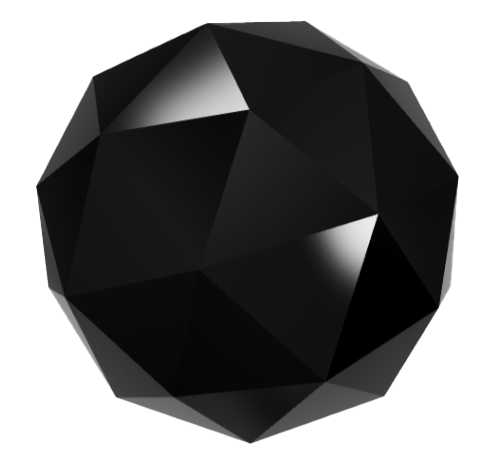
Generative 3D NFTs are unique digital assets created using algorithms and code, resulting in visually stunning and dynamic artworks. Unlike traditional static NFTs, generative 3D NFTs can change and evolve based on various parameters, making each piece a one-of-a-kind creation. These NFTs often utilize 3D modeling software and generative design techniques, allowing artists to create intricate and captivating visuals that can be interacted with in virtual environments.
The generative aspect of these NFTs means that no two pieces are exactly alike; even if the same algorithm is used, the outcomes can vary significantly based on randomization and user input. This uniqueness adds an additional layer of value to generative 3D NFTs, making them highly sought after by collectors and investors alike.
The Intersection of Art and Technology
Generative 3D NFTs exist at the fascinating intersection of art and technology, creating a new paradigm for digital creators. Artists who embrace this medium can push the boundaries of traditional artistic expression, utilizing coding and programming as their brushes and canvases. This intersection allows for the creation of immersive experiences that engage viewers in ways that static art cannot.
Moreover, the integration of augmented reality (AR) and Virtual reality (VR) technology enhances the appeal of generative 3D NFTs. Collectors can visualize their digital assets in their physical spaces or interact with them in virtual environments, creating a sense of presence and ownership that transcends traditional collectibles.
The Investment Potential of Generative 3D NFTs
As the NFT market continues to mature, the investment potential of generative 3D NFTs is becoming increasingly apparent. Here are several reasons why savvy investors are turning their attention to this burgeoning sector:
1. Scarcity and Rarity
The blockchain technology underlying NFTs ensures that each piece is verifiably unique and scarce. Generative 3D NFTs often come with limited supply, meaning that as demand increases, the value of these assets can rise significantly. Investors who recognize the potential for scarcity can capitalize on this trend, making informed purchases that may appreciate over time.
2. Artistic Innovation
Generative 3D NFTs are at the forefront of artistic innovation, attracting both established and emerging artists. Investing in these pieces means supporting creators who are pushing the boundaries of what art can be. As the art world embraces this new medium, the value of innovative pieces is likely to increase, making early investments particularly lucrative.
3. community and Engagement
The NFT space is characterized by vibrant communities of creators and collectors. Investing in generative 3D NFTs often means becoming part of a larger movement that values collaboration, creativity, and innovation. Engaging with these communities can provide valuable insights, networking opportunities, and access to exclusive drops, further enhancing the potential for investment success.
4. Diversification of Portfolio
Investing in generative 3D NFTs allows individuals to diversify their portfolios beyond traditional assets. As the digital economy continues to expand, incorporating alternative investments like NFTs can provide a hedge against market volatility and inflation. Forward-thinking investors recognize the importance of diversifying their holdings to stay ahead of market trends.
5. Potential for Passive Income
Some generative 3D NFTs come with additional utility, such as royalties for the original creator each time the piece is sold in the secondary market. This creates an opportunity for investors to earn passive income while supporting artists. Additionally, as the NFT space evolves, new monetization strategies are likely to emerge, further enhancing the income potential of these digital assets.
Challenges and Considerations
While the allure of investing in generative 3D NFTs is strong, it’s essential to acknowledge the potential challenges and considerations involved:
1. Market Volatility
The NFT market is notoriously volatile, with prices subject to rapid fluctuations. Investors must be prepared for the possibility of losing value, especially in the short term. Conducting thorough research and understanding market trends can help mitigate risks.
2. Environmental Concerns
Concerns about the environmental impact of blockchain technology, particularly regarding energy consumption, have garnered attention. Investors interested in generative 3D NFTs should consider supporting projects that prioritize sustainability and explore alternative blockchain platforms with lower carbon footprints.
3. Ownership and Copyright Issues
While NFTs establish ownership of digital assets, the question of copyright can be complex. Investors should ensure they understand the rights associated with their NFTs, including whether they have the ability to reproduce or monetize the asset further.
4. Technical Knowledge
Investing in generative 3D NFTs may require a certain level of technical knowledge, especially for those interested in creating their own pieces or engaging with the technology. While platforms and marketplaces are becoming more user-friendly, a basic understanding of blockchain and NFT mechanics can be beneficial.
How to Get Started with Generative 3D NFTs
For those interested in diving into the world of generative 3D NFTs, here are some steps to get started:
1. Research Platforms
Explore NFT marketplaces that specialize in generative art and 3D NFTs, such as Opensea, Rarible, or Foundation. Each platform has its unique features, fees, and community, so it’s essential to choose one that aligns with your interests and goals.
2. Create a Digital Wallet
To buy and sell NFTs, you’ll need a digital wallet that supports cryptocurrencies and NFT transactions. Popular options include Metamask, Trust Wallet, and Coinbase Wallet. Ensure that you choose a secure wallet and keep your private keys safe.
3. Fund Your Wallet
Purchase cryptocurrency, typically Ethereum (ETH), to fund your wallet. Most NFT transactions occur on the Ethereum blockchain, making ETH the most common currency for buying and selling NFTs.
4. Engage with Communities
Join online communities, forums, and social media groups focused on generative art and NFTs. Engaging with fellow collectors and creators can provide valuable insights, resources, and networking opportunities.
5. Start Collecting
Begin exploring and purchasing generative 3D NFTs that resonate with you. Look for artists who inspire you and pieces that have the potential for long-term value. Remember to approach your investments with a mix of passion and pragmatism.
Conclusion
As we stand on the precipice of a new digital era, generative 3D NFTs represent an exciting and innovative investment opportunity. By merging art, technology, and community, these unique digital assets are poised to redefine the collectibles landscape. While challenges exist, the potential rewards for early investors are significant. As the NFT market continues to evolve, those who embrace generative 3D NFTs may find themselves at the forefront of a new wave of digital ownership and creativity.
FAQs
What are NFTs?
Non-fungible tokens (NFTs) are unique digital assets that represent ownership of a specific item, verified using blockchain technology. They cannot be exchanged on a one-to-one basis like cryptocurrencies.
What makes generative 3D NFTs unique?
Generative 3D NFTs are created using algorithms, resulting in one-of-a-kind digital artworks that can change and evolve. Each piece is unique due to randomization and user input.
How can I invest in generative 3D NFTs?
To invest in generative 3D NFTs, research platforms, create a digital wallet, fund it with cryptocurrency, engage with communities, and start collecting pieces that resonate with you.
Are there risks associated with investing in NFTs?
Yes, the NFT market is volatile, and prices can fluctuate significantly. Additionally, there are environmental concerns and potential copyright issues to consider.
Can I earn passive income from NFTs?
Some generative 3D NFTs offer royalties to creators upon resale, providing an opportunity for passive income. However, this depends on the specific NFT and its associated rights.