Introduction
The world of digital art has undergone a seismic shift in recent years, largely thanks to the advent of Non-Fungible Tokens (NFTs). As unique digital assets secured by blockchain technology, NFTs have opened new avenues for artists and creators alike. Among the various forms of NFTs, 3D NFTs stand out as a groundbreaking innovation, pushing the boundaries of creativity and transforming how we perceive, create, and engage with art. In this article, we will explore how 3D NFTs are reshaping the digital landscape, their applications, and the exciting future they promise.
The Rise of 3D NFTs
Initially, NFTs were predominantly associated with 2D art, music, and collectibles. However, as technology progressed, the digital art community began to explore the potential of 3D modeling, animation, and interactive experiences. 3D NFTs leverage advanced graphical capabilities, enabling artists to craft immersive and dynamic pieces that invite viewers to engage in new ways. This evolution represents a natural progression in the digital art space, merging artistry with technology in unprecedented ways.
Breaking Down 3D NFTs
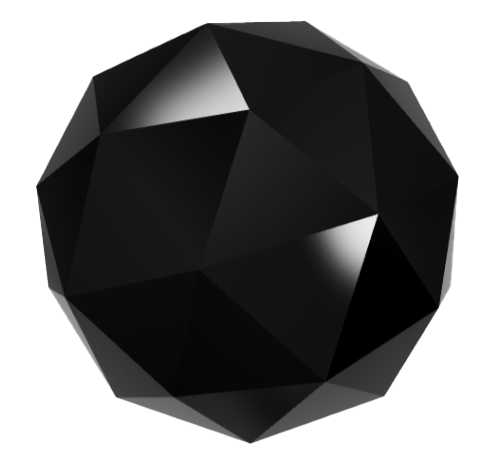
At their core, 3D NFTs are digital assets that feature three-dimensional elements. Unlike traditional static images, these assets can be animated or interactively manipulated, allowing for rich storytelling and complex visuals. Artists utilize software like Blender, Maya, or Cinema 4D to create intricate 3D models, which can then be minted as NFTs on various blockchain platforms. This process not only verifies ownership but also allows artists to set royalties for secondary sales, ensuring they benefit from their work long after the initial sale.
Exploring Creative Possibilities
The introduction of 3D NFTs has unlocked a treasure trove of creative possibilities for artists. Here are some key aspects of how these digital assets are pushing the boundaries of creativity:
1. Immersive Experiences
3D NFTs can be designed to create immersive experiences, allowing audiences to explore digital worlds in ways that were previously unimaginable. Artists can build entire environments, from fantastical landscapes to interactive installations that engage viewers on a sensory level. This interactivity enhances the emotional connection between the art and the audience, transforming passive consumption into active participation.
2. Dynamic Storytelling
With 3D NFTs, artists can tell stories that evolve over time or change based on viewer interaction. Imagine a digital sculpture that shifts its form in response to the viewer’s movements or a narrative that unfolds differently depending on the choices made by the audience. This dynamic storytelling approach allows for a more personalized experience, fostering deeper engagement with the art.
3. Collaboration Across Disciplines
The digital realm encourages collaboration across various disciplines, and 3D NFTs are no exception. Artists, game developers, musicians, and animators can come together to create multifaceted pieces that blend their unique skills. This collaborative spirit not only results in innovative art forms but also fosters a sense of community among creators, further enriching the digital landscape.
4. Bridging the Physical and Digital Worlds
3D NFTs also provide an opportunity to bridge the gap between the physical and digital realms. Artists can create hybrid experiences, where digital elements are integrated into physical installations. For example, a physical gallery could showcase 3D NFT art through augmented reality, allowing viewers to use their devices to see additional layers of the artwork, creating a multidimensional experience.
Real-World Applications of 3D NFTs
The potential of 3D NFTs extends beyond the realm of art and into various industries. Here are a few notable applications:
1. Gaming
The gaming industry has embraced NFTs, and 3D NFTs are at the forefront of this revolution. Players can own unique in-game assets such as characters, weapons, or skins, which can be bought, sold, or traded in secondary markets. These assets often feature intricate 3D models, enhancing the gaming experience and giving players true ownership of their digital possessions.
2. Virtual reality (VR) and Augmented Reality (AR)
As VR and AR technologies continue to evolve, 3D NFTs can play a significant role in creating immersive digital experiences. Artists can design environments and objects specifically for these platforms, providing users with engaging and interactive experiences that blend the physical and digital worlds. This intersection of technology and creativity has the potential to redefine how we experience art, entertainment, and education.
3. Fashion and Wearables
In the fashion industry, 3D NFTs are being used to create virtual clothing and accessories. Designers can showcase their collections in digital spaces, allowing customers to purchase virtual outfits for their avatars or digital identities. This trend not only opens new revenue streams for designers but also promotes sustainable fashion practices by reducing the need for physical samples.
4. Architecture and Design
Architects and designers are leveraging 3D NFTs to present their work in innovative ways. By creating virtual walkthroughs of buildings or interactive 3D models, they can offer clients a more immersive understanding of their projects. This approach enhances communication and collaboration, allowing stakeholders to engage with the design process more effectively.
The Challenges Ahead
While the potential of 3D NFTs is immense, several challenges must be addressed to fully realize their impact:
1. Environmental Concerns
The environmental impact of blockchain technology, particularly in terms of energy consumption, has raised concerns among artists and collectors alike. As the demand for NFTs grows, so does the urgency to develop more sustainable practices within the industry. Solutions such as transitioning to eco-friendly blockchain platforms or implementing carbon offset initiatives are essential to mitigate these concerns.
2. Accessibility and Education
The world of NFTs can be overwhelming for newcomers, with its complex technical jargon and various platforms. To foster wider adoption, it is crucial to make the space more accessible and provide educational resources for aspiring artists and collectors. Workshops, tutorials, and community events can help demystify the process and empower individuals to explore their creativity through 3D NFTs.
3. Intellectual Property Issues
As 3D NFTs gain popularity, issues surrounding intellectual property are becoming increasingly prominent. Artists must navigate the complexities of copyright and ownership, ensuring that their creations are protected. Clear guidelines and legal frameworks are needed to address these concerns and safeguard the rights of creators in the digital landscape.
The Future of 3D NFTs
The future of 3D NFTs is poised for significant growth and innovation. As technology continues to advance, we can expect to see even more breathtaking creations that push the boundaries of what is possible in the digital realm. Here are a few trends to watch:
1. Enhanced Interactivity
As technology evolves, we can anticipate an increase in the interactivity of 3D NFTs. Artists will likely explore new ways to engage audiences, utilizing features such as AI and machine learning to create dynamic pieces that respond to viewer interactions in real time. This will lead to even more personalized and immersive experiences.
2. Cross-Platform Integration
Future developments may also see greater integration of 3D NFTs across various platforms and devices. As the Metaverse continues to take shape, artists and creators will be able to showcase their work in multiple virtual environments, allowing for seamless transitions between gaming, social media, and other digital spaces.
3. Community-Driven Initiatives
As the NFT community continues to grow, we can expect to see more collaborative and community-driven initiatives. Artists may band together to create collective projects, share resources, or develop platforms that prioritize inclusivity and accessibility. This spirit of collaboration will foster a richer and more diverse digital art landscape.
Conclusion
3D NFTs are undeniably at the forefront of the digital art revolution, pushing the boundaries of creativity and innovation. By merging technology with artistic expression, these digital assets are transforming how we create, share, and experience art. As we look to the future, it is clear that the possibilities are limitless, and the journey has only just begun. The digital realm is ready for exploration, and the world of 3D NFTs is leading the charge.
FAQs
What are 3D NFTs?
3D NFTs are unique digital assets that feature three-dimensional elements, allowing for animated or interactive experiences. They are secured by blockchain technology, providing proof of ownership and enabling artists to earn royalties on secondary sales.
How do I create a 3D NFT?
To create a 3D NFT, you will need to design a 3D model using software like Blender or Maya. Once your model is complete, you can mint it as an NFT on a blockchain platform that supports NFTs, such as Ethereum or Polygon.
What are the benefits of owning 3D NFTs?
Owning 3D NFTs allows collectors to have unique digital assets that can appreciate in value over time. Additionally, they provide opportunities for interactive experiences and can be used in virtual environments, such as gaming or augmented reality applications.
Are there any environmental concerns associated with 3D NFTs?
Yes, the energy consumption of blockchain technology has raised environmental concerns. However, there are ongoing efforts to develop more sustainable practices and eco-friendly blockchain platforms to mitigate this impact.
How can I learn more about 3D NFTs?
To learn more about 3D NFTs, you can explore online resources, attend workshops or webinars, and engage with the digital art community on social media platforms and forums. There are many educational materials available that can help you understand the technology and creative possibilities.