
“`html
From Screen to Metaverse: The Next Generation of FPS Shooters
In the ever-evolving world of video games, few genres capture the imagination and adrenaline of players quite like first-person shooters (FPS). From the pixelated landscapes of early gaming to the hyper-realistic graphics of today, FPS games have consistently pushed technological boundaries and redefined interactive entertainment. Now, as we stand on the precipice of a new era in gaming—the Metaverse—the future of FPS shooters promises to be more immersive, connected, and expansive than ever before.
The Evolution of FPS Games
To understand where FPS games are heading, it’s essential to look back at their roots. The genre began in the early 1990s with titles like Doom and Wolfenstein 3D, which introduced players to the thrill of navigating 3D environments from a first-person perspective. These games were groundbreaking, offering a level of immersion that was previously unseen.
As technology advanced, so did the genre. The late ’90s and early 2000s saw the rise of iconic franchises like Counter-Strike, Halo, and Call of Duty. These games not only refined gameplay mechanics but also introduced multiplayer experiences that allowed players to compete against each other across the globe. The introduction of realistic graphics, physics, and AI further enriched the FPS experience, drawing millions of players into their virtual realms.
The Next Frontier: The Metaverse
With the emergence of the Metaverse—an interconnected virtual universe where users can interact, socialize, and engage in various activities—FPS games are undergoing a monumental transformation. The Metaverse is more than just a buzzword; it represents a shift in how players experience gaming. Imagine a world where the boundaries between the digital and physical dissolve, allowing players to step into vast, shared environments that blend gaming with social interaction, commerce, and creativity.
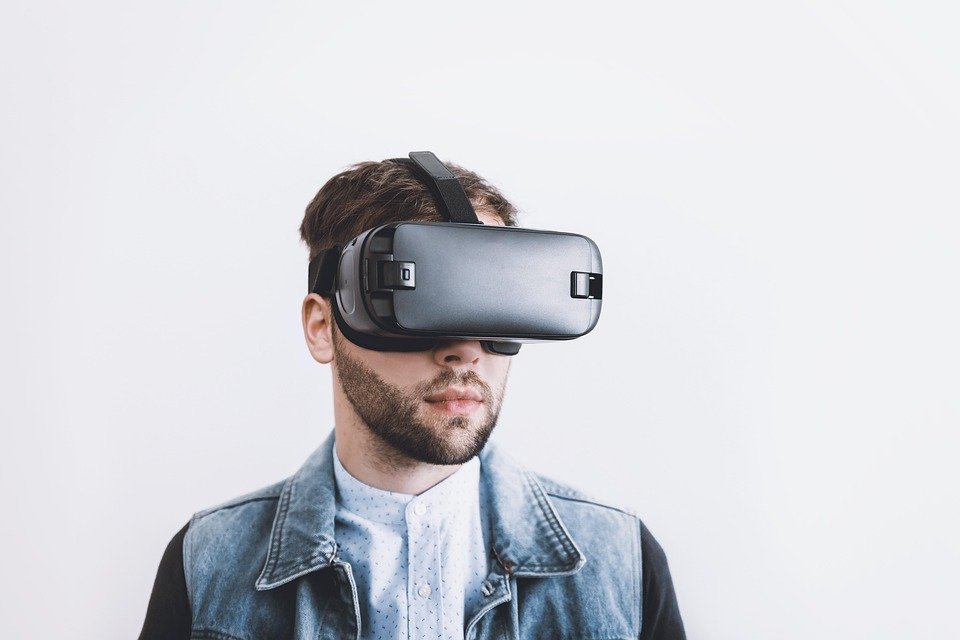
In this new landscape, FPS games are set to become not just competitive experiences but also social hubs where players can forge connections, collaborate on projects, and even participate in virtual economies. The integration of Virtual reality (VR) and augmented reality (AR) technologies will further enhance this experience, making it more immersive and engaging.
Key Features of Next-Generation FPS Games
As we transition into the Metaverse, several key features are emerging that will define the next generation of FPS shooters:
1. Immersive Environments
The next wave of FPS games will leverage advanced graphics engines and VR technology to create hyper-realistic environments. Players will be able to explore intricate worlds that feel alive, with dynamic weather patterns, day-night cycles, and interactive elements. Imagine stormy weather impacting gameplay or nighttime stealth missions that change the dynamics of combat.
2. Player-Centric Customization
Customization has always been a staple of FPS games, but the Metaverse will take it to the next level. Players will have the ability to create and modify their avatars, weapons, and gear with unparalleled detail. This level of personalization will not only enhance the gaming experience but also allow players to express their unique identities within the game.
3. Cross-Platform Connectivity
In the Metaverse, barriers between platforms will dissolve. Players from different consoles, PCs, and VR headsets will be able to engage in the same FPS battles, fostering a sense of community and shared experience. This cross-platform functionality will encourage collaboration and competition, making the gaming universe more interconnected than ever.
4. Evolving Storylines
Next-generation FPS games will feature dynamic narratives that evolve based on player decisions and actions. Imagine a game where every choice impacts the world, shaping the outcome of the story and the environment. This level of interactivity will create a deeper emotional connection to the game, encouraging players to invest time and effort into their virtual journeys.
5. Enhanced AI and NPC Interaction
artificial intelligence will play a crucial role in the future of FPS games. Next-gen titles will feature NPCs (non-player characters) that exhibit realistic behaviors and interactions, creating a more immersive experience. Players will engage in meaningful conversations, form alliances, and even face consequences based on their actions, blurring the line between players and the game world.
The Role of blockchain and NFTs
As the gaming industry embraces the Metaverse, blockchain technology and non-fungible tokens (NFTs) are becoming increasingly important. These innovations allow players to own in-game assets, trade items, and even monetize their skills within the game. Imagine earning real-world value from digital achievements, or participating in a virtual economy where players can buy, sell, or trade unique weapons and skins.
Community Engagement and Events
Next-gen FPS games will place a significant emphasis on community engagement. Developers will host in-game events, tournaments, and social gatherings, allowing players to connect in meaningful ways. From virtual concerts to collaborative missions, the Metaverse will serve as a platform for shared experiences that extend beyond traditional gameplay.
The Future of Competitive Gaming
Esports has already transformed the landscape of competitive gaming, but the Metaverse will take it further. Next-generation FPS games will create new opportunities for competitive play, with tournaments and leagues that span the globe. Players will not only compete for bragging rights but also for real-world rewards, sponsorships, and recognition within the gaming community.
Challenges and Considerations
As we embrace this exciting future, it’s essential to acknowledge the challenges that come with it. Issues such as data privacy, security, and the potential for toxicity in online communities must be addressed. Developers will need to implement robust systems to protect players and foster positive interactions. Additionally, the environmental impact of increased server usage and energy consumption associated with VR and AR technologies must be considered.
Conclusion: Embracing the Future
The transition from traditional FPS games to the Metaverse represents a thrilling evolution in gaming. As technology continues to advance and players become more interconnected, the potential for immersive, engaging, and socially rich experiences is limitless. The next generation of FPS shooters will not only challenge our skills and reflexes but also invite us to explore vast virtual worlds, forge meaningful connections, and participate in a shared digital economy.
As we look forward to this future, one thing is certain: the journey from screen to Metaverse is just beginning, and the possibilities are as exhilarating as they are boundless.
FAQs
1. What is the Metaverse?
The Metaverse is an interconnected virtual universe where users can interact, socialize, and engage in various activities, blending gaming with social interaction, commerce, and creativity.
2. How will FPS games change in the Metaverse?
FPS games will become more immersive, offering realistic environments, player-centric customization, cross-platform connectivity, evolving storylines, enhanced AI interactions, and community engagement.
3. What role will NFTs play in FPS games?
NFTs will allow players to own in-game assets, trade items, and monetize their skills, creating a virtual economy where players can buy, sell, or trade unique weapons and skins.
4. Will competitive gaming change in the Metaverse?
Yes, competitive gaming will evolve with new opportunities for tournaments and leagues, allowing players to compete for real-world rewards, sponsorships, and recognition.
5. What are the challenges of the Metaverse for FPS games?
Challenges include data privacy, security, toxicity in online communities, and the environmental impact of increased server usage and energy consumption associated with VR and AR technologies.
“`
This article provides a comprehensive overview of the transition from traditional FPS games to the next generation of FPS shooters within the Metaverse, highlighting key features, challenges, and future possibilities.