Introduction: The Digital Renaissance
In recent years, the world has witnessed an unprecedented transformation in the realm of art and collectibles. The advent of Non-Fungible Tokens (NFTs) has not only redefined ownership but has also blurred the lines between digital and physical artistry. Among the myriad of innovations in this space, 3D NFTs stand out as a fascinating intersection of technology and creativity. This article delves into the captivating world of Mint 3D NFTs, exploring their significance, the technology behind them, and the future they promise.
The Genesis of NFTs
To understand the allure of 3D NFTs, it’s essential to recognize the roots of NFTs themselves. Non-Fungible Tokens are unique digital assets verified using blockchain technology. Unlike cryptocurrencies such as Bitcoin or Ethereum, which are fungible and can be exchanged on a one-to-one basis, NFTs are distinct and non-interchangeable. This uniqueness is what gives them value, allowing artists and creators to tokenize their work and sell it directly to collectors.
The rise of digital art has been meteoric, with sales reaching into the millions. Artists can now reach global audiences without the constraints of traditional galleries. However, the introduction of 3D NFTs takes this revolution one step further, allowing creators to explore dimensions beyond the flat canvas of digital art.
What Are 3D NFTs?
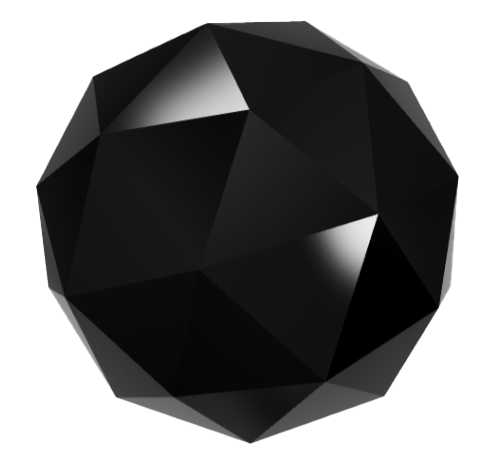
3D NFTs are digital assets that exist in a three-dimensional space, often created using sophisticated 3D modeling software. They can represent a wide array of visual experiences, from intricate sculptures to interactive environments. Unlike their 2D counterparts, 3D NFTs provide a more immersive experience, allowing users to engage with the artwork in a dynamic and interactive manner.
Mint 3D NFTs specifically refer to the process of creating these unique tokens on a blockchain. Minting is the act of converting a digital file into a part of the blockchain, establishing ownership and provenance. This process has opened up new avenues for artists to express their creativity, enabling them to create works that can be experienced from multiple angles and perspectives.
The Technology Behind Mint 3D NFTs
The creation of 3D NFTs involves several key technologies and platforms. At the heart of this process is blockchain technology, which serves as the backbone for verifying ownership and authenticity. Ethereum, the most popular blockchain for NFTs, allows for the creation of smart contracts, which automate the processes of buying, selling, and transferring ownership.
3D modeling software plays a crucial role in the creation of these digital assets. tools like Blender, Maya, and Cinema 4D enable artists to sculpt intricate designs and animations. Once the artwork is complete, it can be exported in formats compatible with NFT platforms, such as GLB or FBX.
Minting platforms like Opensea, Rarible, and Mintable facilitate the process of turning these 3D creations into NFTs. Artists can upload their creations, set pricing, and list their work for sale on these marketplaces. The integration of augmented reality (AR) and Virtual reality (VR) technologies further enhances the experience, allowing collectors to view and interact with 3D NFTs in real-world settings.
The Artistic Possibilities of 3D NFTs
The potential for artistic expression within the realm of 3D NFTs is virtually limitless. Artists can create intricate sculptures that defy the laws of physics, develop immersive environments that transport viewers to fantastical worlds, or design interactive pieces that change based on viewer interaction.
One of the most exciting aspects of 3D NFTs is their ability to combine various artistic disciplines. For example, a digital sculptor might collaborate with a sound designer to create an interactive installation that reacts to audio inputs, creating a multi-sensory experience for the viewer. This fusion of art forms not only enriches the creative process but also engages audiences in new and innovative ways.
Moreover, 3D NFTs can be used for virtual fashion, architectural designs, and even gaming assets. The gaming industry has begun to embrace NFTs, allowing players to own, trade, and showcase their in-game items as unique digital assets. This integration of 3D NFTs into gaming environments opens up exciting possibilities for both developers and players alike.
The Value of 3D NFTs
Understanding the value of 3D NFTs involves a combination of factors, including scarcity, demand, and the artist’s reputation. Like traditional art, the value of a 3D NFT can fluctuate based on market trends and collector interest. The scarcity of an NFT—determined by the number of editions available—can significantly impact its perceived value. Limited editions often command higher prices, as collectors seek unique items that stand out in their collections.
Additionally, the artist’s reputation plays a crucial role in determining value. Established artists with a track record of successful sales tend to attract higher bids for their 3D NFTs. However, the rise of social media and online platforms has also enabled emerging artists to gain recognition and sell their work to a global audience.
It’s essential to note that the NFT market can be volatile. Prices can soar based on trends but can also plummet, leading to speculation and investment risks for collectors. As with any art form, potential buyers should conduct thorough research and approach purchases with caution.
Challenges and Controversies
While the world of 3D NFTs is exciting, it is not without its challenges and controversies. One of the most pressing issues is environmental concerns related to blockchain technology. Many NFTs are minted on the Ethereum blockchain, which has faced criticism for its high energy consumption and carbon footprint. The transition to Ethereum 2.0, which aims to reduce energy usage through a proof-of-stake mechanism, is a step towards addressing these concerns.
Additionally, the market is rife with copyright and intellectual property issues. As artists mint their work as NFTs, questions arise about ownership rights, especially when it comes to derivative works or the use of existing intellectual property. Ensuring that artists are protected and that their rights are respected is paramount for the sustainable growth of the NFT ecosystem.
The Future of 3D NFTs
The future of 3D NFTs is bright and full of potential. As technology continues to evolve, so too will the possibilities for creators and collectors. The integration of augmented reality and virtual reality will likely become more prevalent, allowing users to experience 3D NFTs in ways previously thought impossible. Imagine attending a virtual gallery where you can walk around and interact with sculptures, or wearing virtual fashion pieces that you can showcase in your digital persona!
Furthermore, the growing acceptance of NFTs in mainstream culture indicates that they may soon become a staple in the art world. Collaborations between traditional artists and digital creators are likely to increase, leading to innovative hybrid forms of art. Educational institutions are also beginning to incorporate NFTs into their curricula, teaching the next generation of artists about digital asset creation and blockchain technology.
The rise of decentralized autonomous organizations (DAOs) could also play a significant role in the future of 3D NFTs. These community-driven organizations allow members to collectively make decisions about investments and creative projects, fostering collaboration and support among artists and collectors.
Conclusion: Embracing the Digital Future
The world of Mint 3D NFTs represents a groundbreaking evolution in how we perceive and interact with art. By marrying technology with creativity, artists can explore new dimensions of expression, while collectors gain access to unique and immersive experiences. Despite the challenges and controversies that accompany this emerging market, the potential for innovation and collaboration is boundless.
As we move forward into this digital renaissance, it is crucial for artists, collectors, and enthusiasts to embrace the opportunities presented by 3D NFTs. By championing creativity, protecting intellectual property, and advocating for sustainable practices, we can ensure that this exciting new frontier continues to flourish.
FAQs
1. What is the difference between 2D NFTs and 3D NFTs?
2D NFTs are flat digital assets, such as images or animations, while 3D NFTs are three-dimensional representations that can be interacted with and viewed from multiple angles.
2. How do I create a 3D NFT?
To create a 3D NFT, you’ll need 3D modeling software to design your asset. Once your design is complete, you can mint it on an NFT platform that supports 3D files, such as OpenSea or Rarible.
3. What are the environmental concerns associated with NFTs?
Many NFTs are minted on blockchains that use proof-of-work mechanisms, which require significant energy consumption. This has raised concerns about the environmental impact of the NFT market.
4. Can I sell my 3D NFT after purchasing it?
Yes, once you own a 3D NFT, you have the right to sell, trade, or transfer it, just like any other collectible or artwork.
5. How do I ensure that I’m purchasing a legitimate 3D NFT?
To ensure the legitimacy of a 3D NFT, buy from reputable marketplaces and verify the creator’s identity and ownership rights. Always check for details regarding the NFT’s provenance and authenticity.