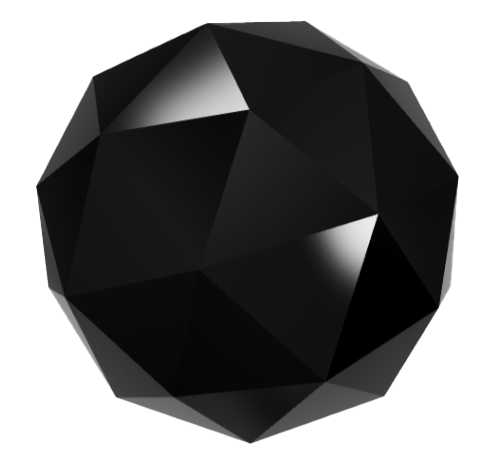

Exploring the Boundless Potential of Generative 3D NFTs: A Look at the Future of Digital Collectibles
The digital landscape is evolving at an unprecedented pace, and within it, Generative 3D NFTs (Non-Fungible Tokens) are emerging as a groundbreaking innovation. These digital collectibles are redefining ownership, creativity, and the interaction between artists and collectors. As we delve into the intricate world of Generative 3D NFTs, we will explore their potential, the technology behind them, their implications for artists and collectors, and what the future holds for this fascinating trend.
Understanding NFTs and Their Generative Nature
To appreciate the potential of Generative 3D NFTs, it’s crucial to first understand what NFTs are. NFTs are unique digital assets secured on a blockchain, allowing for verifiable ownership of digital items ranging from art and music to virtual real estate and collectibles. Unlike cryptocurrencies like Bitcoin or Ethereum, which are fungible and can be exchanged for one another, NFTs are one-of-a-kind, making them perfect for digital art and collectibles.
Generative art, on the other hand, refers to artwork created using algorithms and computational processes. In the realm of NFTs, generative art combines with 3D modeling to produce unique creations that can be owned, traded, and showcased. Each piece of generative 3D art is often created using a codebase that allows for infinite variations, ensuring no two pieces are identical.
The Technology Behind Generative 3D NFTs
The creation of Generative 3D NFTs involves a blend of art and technology. Artists use programming languages like JavaScript, Python, and frameworks such as Processing or Three.js to develop their generative algorithms. These algorithms not only define the aesthetics of the artwork but also determine how it evolves over time, creating a dynamic and interactive experience for the owner.
Some key technologies and concepts involved in the creation of Generative 3D NFTs include:
- Procedural Generation: This technique uses algorithms to create content algorithmically rather than manually, allowing for the generation of complex 3D shapes and patterns.
- 3D Modeling software: tools like Blender and Autodesk Maya are often used in conjunction with code to create intricate designs that can be rendered in real-time.
- Blockchain Technology: NFTs are minted on blockchains like Ethereum, enabling secure ownership and provenance tracking.
The Rise of Generative 3D Art
Generative 3D art has gained popularity among digital artists due to its unique ability to produce limitless variations from a single codebase. Artists like Tyler Hobbs, Pak, and Art Blocks have made significant contributions to this field, showcasing how technology can elevate creativity. Platforms like Art Blocks utilize smart contracts to allow artists to create generative art pieces that are minted as NFTs upon purchase, further enhancing the collector’s experience.
One of the most famous examples of generative art in the NFT space is “CryptoPunks,” a project that consists of 10,000 unique 24×24 pixel art images generated algorithmically. Each punk possesses distinct traits, making them highly sought after in the digital art market. Similarly, projects like “Fidenza” by Tyler Hobbs demonstrate the potential of generative art to push creative boundaries and captivate audiences.
The Role of community in the NFT Ecosystem
Community plays a pivotal role in the success of Generative 3D NFTs. Artists, collectors, and enthusiasts come together to form vibrant ecosystems that support and promote each other’s work. Online platforms and marketplaces, such as Opensea, Rarible, and Foundation, have facilitated this community-building process, allowing artists to showcase their work and collectors to discover new pieces.
Moreover, social media platforms like Twitter and Discord have become essential tools for artists to connect with their audience, share their creative processes, and engage potential buyers. This sense of community fosters collaboration, creativity, and innovation, ultimately benefiting the entire NFT ecosystem.
Implications for Artists and Collectors
The advent of Generative 3D NFTs is transforming the way artists and collectors interact with digital art. For artists, the ability to create and sell unique pieces directly to collectors eliminates the need for traditional galleries and intermediaries. This democratization of the art market empowers artists to retain more control over their work and its distribution.
For collectors, Generative 3D NFTs offer a new way to engage with art. The uniqueness of each piece, coupled with the potential for future appreciation in value, makes these collectibles highly attractive. Additionally, many NFTs come with added benefits, such as exclusive access to virtual events, participation in future drops, or even royalties for the original creator when the NFT is resold.
The Future of Generative 3D NFTs
As we look to the future, the potential for Generative 3D NFTs is immense. Here are some key trends and possibilities that may shape the landscape:
- Integration with Virtual reality (VR) and Augmented Reality (AR): As technology advances, we can expect to see Generative 3D NFTs integrated into immersive environments, allowing collectors to experience their digital art in new and exciting ways.
- Increased Interactivity: Future NFTs may allow collectors to interact with the artwork in real-time, changing colors, shapes, or even the underlying algorithms behind the piece.
- Cross-Platform Compatibility: The future may bring a more interconnected ecosystem where NFTs can be utilized across different platforms and virtual worlds, enhancing their value and utility.
- Sustainability Efforts: As the environmental impact of blockchain technology comes under scrutiny, there may be a push for more sustainable practices in NFT creation and trading.
Challenges Ahead
Despite the promising future of Generative 3D NFTs, several challenges must be addressed. Issues such as copyright infringement, the environmental impact of blockchain technology, and market volatility can pose significant hurdles for artists and collectors alike. As the NFT space matures, it will be essential for stakeholders to develop solutions that ensure fair practices, sustainability, and the protection of intellectual property.
Conclusion
Generative 3D NFTs represent a profound shift in the world of digital collectibles, merging art and technology in ways previously unimaginable. As artists explore the boundless potential of generative algorithms and collectors embrace the unique experiences these NFTs offer, the future of this creative medium appears bright. By fostering community, encouraging innovation, and addressing existing challenges, Generative 3D NFTs are poised to redefine the landscape of digital art and collectibles for years to come.
FAQs
What are Generative 3D NFTs?
Generative 3D NFTs are unique digital assets created using algorithms and computational processes, allowing for infinite variations of a single artwork. Each piece is minted as an NFT on a blockchain, ensuring verifiable ownership.
How are Generative 3D NFTs created?
Artists use programming languages and 3D modeling software to develop algorithms that create generative art. These algorithms define the visual appearance of the artwork and can produce unique variations each time they are executed.
What is the significance of community in the NFT ecosystem?
Community plays a crucial role in supporting artists and collectors within the NFT ecosystem. It fosters collaboration, creativity, and innovation, providing a platform for artists to showcase their work and for collectors to engage with and discover new pieces.
What are the potential future trends in Generative 3D NFTs?
Future trends may include integration with VR and AR, increased interactivity, cross-platform compatibility, and sustainability efforts to address the environmental impact of blockchain technology.
What challenges do Generative 3D NFTs face?
Challenges include copyright infringement, environmental concerns, market volatility, and ensuring fair practices in the rapidly evolving NFT space.