
Connecting in a Virtual World: The Impact of social Metaverses on Communication
As we navigate through the digital age, a new frontier is emerging—social metaverses. These immersive virtual environments are transforming how we connect, communicate, and interact. With the advent of technologies like Virtual reality (VR), augmented reality (AR), and blockchain, the Metaverse is not merely a futuristic concept; it is a present-day reality that offers new avenues for human connection. This article delves into the impact of social metaverses on communication, exploring their potential to reshape our social landscapes.
The Rise of the Metaverse
The term “metaverse” was popularized by Neal Stephenson’s 1992 science fiction novel “Snow Crash.” In the book, it describes a virtual reality space where users interact with a computer-generated environment and other users. Today, the metaverse has evolved beyond fiction into a phenomenon encompassing various online platforms, games, and virtual worlds.
Major tech companies like Meta (formerly Facebook), Microsoft, and Epic Games are investing heavily in creating their own metaverse experiences. These platforms aim to integrate social interactions, gaming, work, and commerce into a single immersive ecosystem. As a result, the metaverse is becoming a focal point for discussions about the future of communication and social interaction.
Revolutionizing Communication
One of the most significant impacts of social metaverses is the transformation of communication. Traditional forms of communication, such as text messaging or video calls, are evolving into more immersive and interactive experiences.
1. Enhanced Engagement
In social metaverses, users can engage with one another in real-time within a 3D environment. This level of interactivity fosters more meaningful connections compared to standard digital communication channels. Users can create avatars, attend virtual events, and collaborate on projects, all while feeling a sense of presence that is often lacking in conventional online interactions.
2. Breaking Geographical Barriers
Social metaverses eliminate geographical constraints, allowing people from different corners of the globe to connect seamlessly. In a traditional setting, time zones and physical distances can hinder communication. However, in the metaverse, individuals can gather in virtual spaces, participate in discussions, and collaborate on initiatives as if they were in the same room. This inclusivity opens doors for diverse perspectives and ideas to flourish.
3. New Forms of Expression
Avatars and virtual environments provide users with new ways to express themselves. Individuals can customize their avatars to reflect their personalities, interests, and emotions, enabling a level of self-expression that transcends physical limitations. This freedom encourages creativity and allows for more authentic interactions.
4. Multi-Sensory Experiences
The metaverse offers multi-sensory experiences that traditional communication methods cannot replicate. Users can engage not only through visuals and sounds but also through haptic feedback and spatial awareness. This sensory immersion enhances emotional connections, making interactions more impactful and memorable.
The Role of Virtual Reality and Augmented Reality
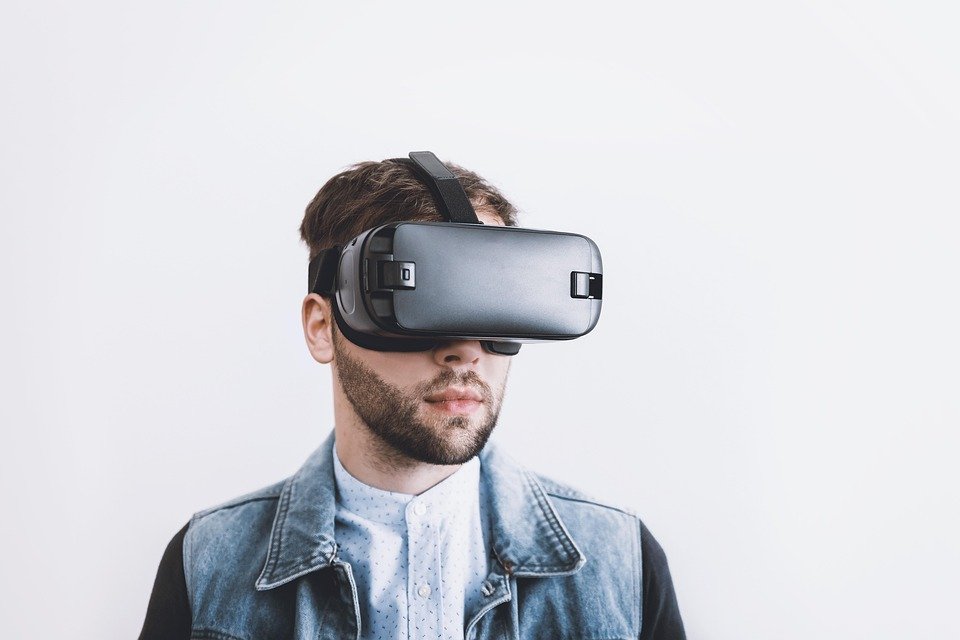
Virtual reality (VR) and augmented reality (AR) play pivotal roles in shaping communication within social metaverses. VR immerses users in entirely digital environments, while AR overlays digital information onto the real world.
1. Virtual Reality: A New Dimension of Connection
VR allows users to step into a fully realized world where they can interact with others as if they were physically present. This technology is particularly valuable for remote teams and businesses, enabling virtual meetings that feel more tangible than traditional video calls. VR can simulate real-life scenarios, fostering collaboration and brainstorming in ways that enhance productivity.
2. Augmented Reality: Bridging Reality and Virtuality
AR enhances communication by blending the digital and physical worlds. Users can share information, visuals, and experiences overlaid onto their surroundings. For instance, AR can be utilized in educational settings, where students can interact with 3D models of historical artifacts or scientific concepts, making learning more engaging and interactive.
The Social Dynamics of the Metaverse
As social metaverses continue to evolve, understanding the dynamics of virtual interactions becomes crucial. The way people communicate in these spaces differs from traditional methods, leading to unique social behaviors and norms.
1. community Building
Social metaverses facilitate the formation of communities based on shared interests, goals, or experiences. Users can join groups, attend events, and collaborate on projects, fostering a sense of belonging. These communities can transcend physical boundaries, bringing together individuals from diverse backgrounds and cultures.
2. Anonymity and Identity
Avatars offer users the opportunity to explore different aspects of their identity. Some may choose to remain anonymous, allowing them to interact without the constraints of their real-world identities. This can lead to more open conversations, but it also raises questions about accountability and the potential for negative behavior.
3. Digital Etiquette
As social norms evolve in the metaverse, so does the concept of digital etiquette. Users must navigate interactions with respect and consideration for others, just as they would in real-life situations. Understanding social cues, managing conflicts, and fostering inclusivity are essential components of ensuring a positive virtual environment.
The Future of Communication in the Metaverse
The future of communication in social metaverses holds exciting possibilities. As technology continues to advance, we can expect even more immersive experiences that enhance human connection. Here are some trends to watch for:
- Integration of artificial intelligence: AI will play a significant role in personalizing user experiences, offering tailored interactions based on preferences and behaviors.
- Evolution of Virtual Events: As more people embrace virtual gatherings, events like concerts, conferences, and social meetups will become increasingly sophisticated, incorporating interactive elements and engaging experiences.
- Workplace Transformation: Remote work will continue to evolve as organizations leverage metaverse technology to create collaborative virtual workplaces, enhancing productivity and team dynamics.
Challenges and Considerations
While the potential of social metaverses is immense, there are challenges to consider. Issues related to privacy, security, and mental health must be addressed to create safe and inclusive virtual spaces. Users must navigate the complexities of digital communication while remaining mindful of their well-being.
Conclusion
As we embrace the possibilities offered by social metaverses, it is essential to recognize the profound impact they will have on communication. These virtual worlds are not just a technological advancement; they are a new way of connecting with one another. By breaking down barriers and fostering creativity, social metaverses are reshaping our social fabric. As we move forward, let us harness the power of these digital landscapes to build meaningful connections and enrich our lives.
FAQs
What is a social metaverse?
A social metaverse is an immersive virtual environment where users can interact with one another and their surroundings, often through avatars, in real-time. It combines elements of social networking, gaming, and virtual reality.
How do social metaverses enhance communication?
Social metaverses enhance communication by providing immersive and interactive experiences, breaking geographical barriers, and allowing for new forms of self-expression through avatars and customizable environments.
What technologies drive the metaverse?
The metaverse is driven by technologies like virtual reality (VR), augmented reality (AR), blockchain, and artificial intelligence (AI), which collectively create immersive and engaging experiences.
What are some challenges associated with social metaverses?
Challenges include privacy and security concerns, the potential for negative behavior due to anonymity, and mental health considerations related to excessive virtual interaction.
How can businesses leverage the metaverse for communication?
Businesses can leverage the metaverse for communication by hosting virtual meetings, creating immersive training experiences, and facilitating collaboration among remote teams in a more engaging environment.