Breaking Down the Hype: What You Need to Know About Mint 3D NFTs
In recent years, the world of non-fungible tokens (NFTs) has exploded, captivating the attention of artists, collectors, and investors alike. Among the newest entrants into this vibrant ecosystem are Mint 3D NFTs, which are rapidly gaining traction as a unique medium for digital art and collectibles. But what exactly are Mint 3D NFTs, and why has there been so much buzz surrounding them? In this article, we will break down the hype and provide you with essential insights about Mint 3D NFTs.
Understanding NFTs
To fully grasp Mint 3D NFTs, it’s crucial to understand what NFTs are in general. Non-fungible tokens are unique digital assets verified using blockchain technology, which ensures their authenticity and ownership. Unlike cryptocurrencies such as Bitcoin or Ethereum, which are fungible and can be exchanged one-for-one, NFTs are one-of-a-kind items that can represent anything from digital art to virtual real estate.
The Rise of 3D Art in the NFT Space
As the NFT space has evolved, so has the form and presentation of digital art. Traditional 2D artwork has dominated the scene thus far, but the introduction of 3D art has opened new avenues for creativity and expression. 3D NFTs allow artists to create immersive experiences, adding depth and interactivity to their work that 2D art simply cannot achieve.
What Are Mint 3D NFTs?
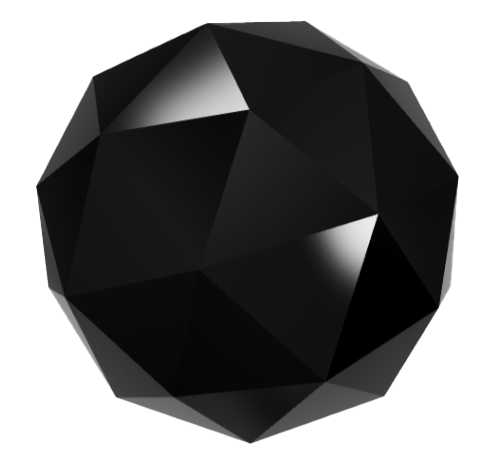
Mint 3D NFTs refer to a specific category of non-fungible tokens that are created using 3D modeling and animation techniques. These NFTs can range from intricate sculptures to interactive digital environments, all crafted to be viewed in 3D. Mint 3D NFTs can be experienced in Virtual reality (VR) settings, making them particularly engaging and memorable for collectors and audiences.
Key Features of Mint 3D NFTs
Mint 3D NFTs come with several distinctive features that set them apart from traditional NFTs. Here are some of the most notable:
- Interactivity: Unlike static images, Mint 3D NFTs can be interacted with, allowing viewers to explore them from different angles and perspectives.
- Immersive Experiences: Many Mint 3D NFTs are designed for virtual reality, providing a fully immersive experience for collectors and viewers alike.
- Unique Aesthetics: The 3D medium enables artists to push the boundaries of creativity, resulting in visually stunning and innovative artworks.
- Potential for Utility: Some Mint 3D NFTs may offer additional functionalities, such as being used in virtual worlds or games.
The Process of Minting 3D NFTs
Minting a 3D NFT involves several steps, much like the creation of traditional NFTs but with additional considerations for the 3D aspect. Here’s a simplified overview of the minting process:
- Creation: The artist creates the 3D model using specialized software such as Blender, Maya, or Cinema 4D.
- Exporting: The 3D model is exported in a compatible format, often GLTF or OBJ, which preserves its textures and animations.
- Minting: The artist mints the NFT on a blockchain platform that supports 3D NFTs, such as Ethereum or Polygon.
- Listing: Once minted, the NFT can be listed on NFT marketplaces for sale or auction.
Popular Platforms for Minting and Trading Mint 3D NFTs
Several platforms have emerged to facilitate the minting and trading of Mint 3D NFTs. A few of the most popular include:
- Opensea: As one of the largest NFT marketplaces, OpenSea supports a wide array of NFT types, including 3D assets.
- Rarible: This decentralized marketplace allows artists to mint and sell their NFTs, including 3D art.
- Foundation: A platform that focuses on high-quality digital art, Foundation also welcomes 3D NFTs.
- Spatial: Specializing in virtual environments, Spatial allows users to create and showcase 3D NFTs in immersive settings.
Why the Hype Around Mint 3D NFTs?
The hype surrounding Mint 3D NFTs can be attributed to several factors:
- Innovation: The intersection of art and technology is always exciting. Mint 3D NFTs represent a new frontier for artists and collectors.
- Collectibility: As with any NFT, the rarity and uniqueness of Mint 3D NFTs appeal to collectors looking to own a piece of digital history.
- Potential for Growth: As virtual reality and augmented reality technologies continue to develop, the demand for immersive 3D experiences is likely to grow.
- Artist Empowerment: Mint 3D NFTs provide artists with new avenues for revenue and exposure, allowing them to reach global audiences.
Challenges and Considerations
While the prospects for Mint 3D NFTs are exciting, there are also challenges and considerations that artists and collectors should keep in mind:
- Technical Skills: Creating and minting 3D NFTs requires a certain level of technical proficiency, which may be a barrier for some artists.
- Market Volatility: The NFT market is known for its price volatility, and collectors should be prepared for potential fluctuations in value.
- Environmental Concerns: The energy consumption of blockchain networks has raised concerns about the environmental impact of minting NFTs.
- Intellectual Property Issues: With the rise of NFTs, questions about copyright and ownership have become more complex.
Future Trends in Mint 3D NFTs
As technology continues to evolve, so too will the landscape of Mint 3D NFTs. Here are a few trends to watch for in the coming years:
- Integration with Virtual Worlds: As virtual worlds like Decentraland and The Sandbox gain popularity, the integration of Mint 3D NFTs into these environments will likely become more common.
- Advancements in AR and VR: As augmented reality (AR) and virtual reality (VR) technologies improve, Mint 3D NFTs will offer even more immersive experiences.
- Collaboration Between Artists: Collaborative projects that combine different artists’ 3D works may become more prevalent, leading to unique and innovative pieces.
- Increased Focus on Sustainability: With growing concern over the environmental impact of blockchain, there may be a shift towards more sustainable methods of minting and trading NFTs.
Conclusion
Mint 3D NFTs represent an exciting new frontier in the world of digital art and collectibles. With their unique capabilities, immersive experiences, and innovative potential, they are poised to capture the attention of artists and collectors alike. As the technology continues to evolve, we can expect to see even more creativity and innovation in the Mint 3D NFT space. Whether you are an artist looking to explore new mediums or a collector seeking unique digital assets, understanding Mint 3D NFTs is essential in navigating this rapidly changing landscape.
FAQs
What is the difference between Mint 3D NFTs and traditional NFTs?
Mint 3D NFTs are specifically created using 3D modeling and animation techniques, allowing for interactivity and immersive experiences. Traditional NFTs, on the other hand, are typically static images or videos.
Can I view Mint 3D NFTs without VR equipment?
Yes, while many Mint 3D NFTs are designed for VR, they can also be viewed on standard screens. However, the full immersive experience is best enjoyed with VR equipment.
How do I create my own Mint 3D NFT?
To create a Mint 3D NFT, you will need to design a 3D model using software like Blender or Maya, export it in a compatible format, and then mint it on a blockchain platform that supports NFTs.
Are Mint 3D NFTs a good investment?
As with any investment, the value of Mint 3D NFTs can be volatile. It’s important to do thorough research and consider the potential risks before investing.
What are the environmental concerns associated with Mint 3D NFTs?
The energy consumption of blockchain networks used for minting and trading NFTs has raised environmental concerns. Some platforms are exploring more sustainable solutions to mitigate this impact.